-
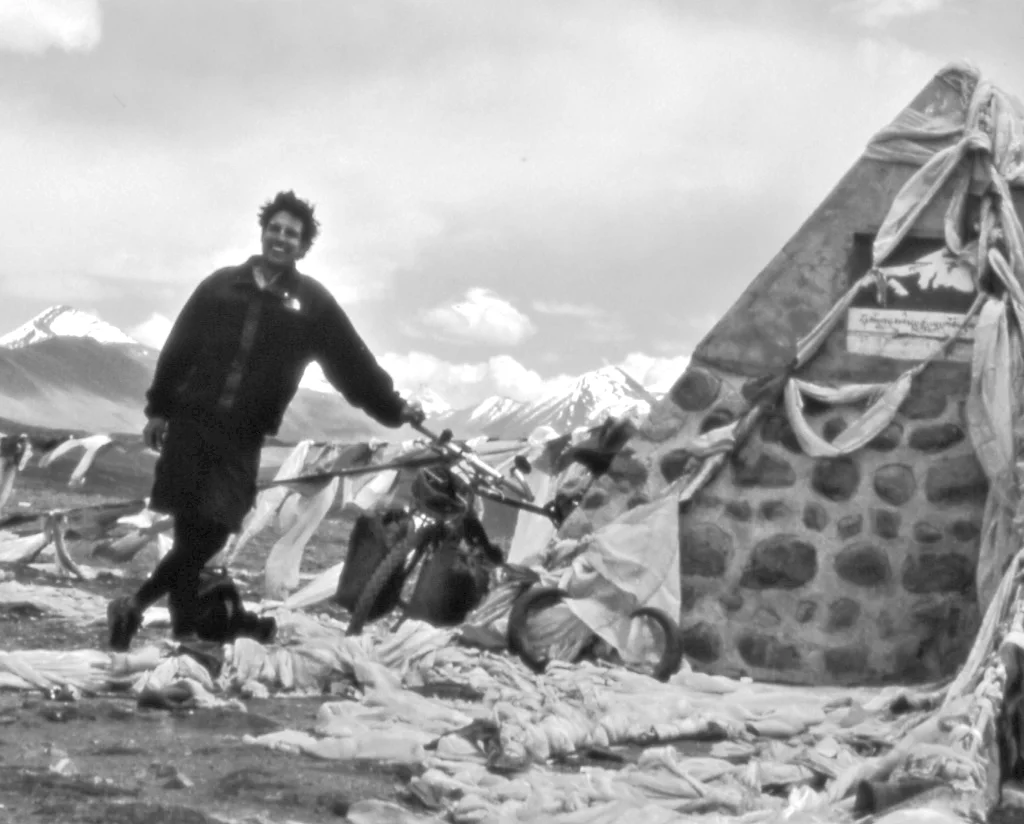
Photographs
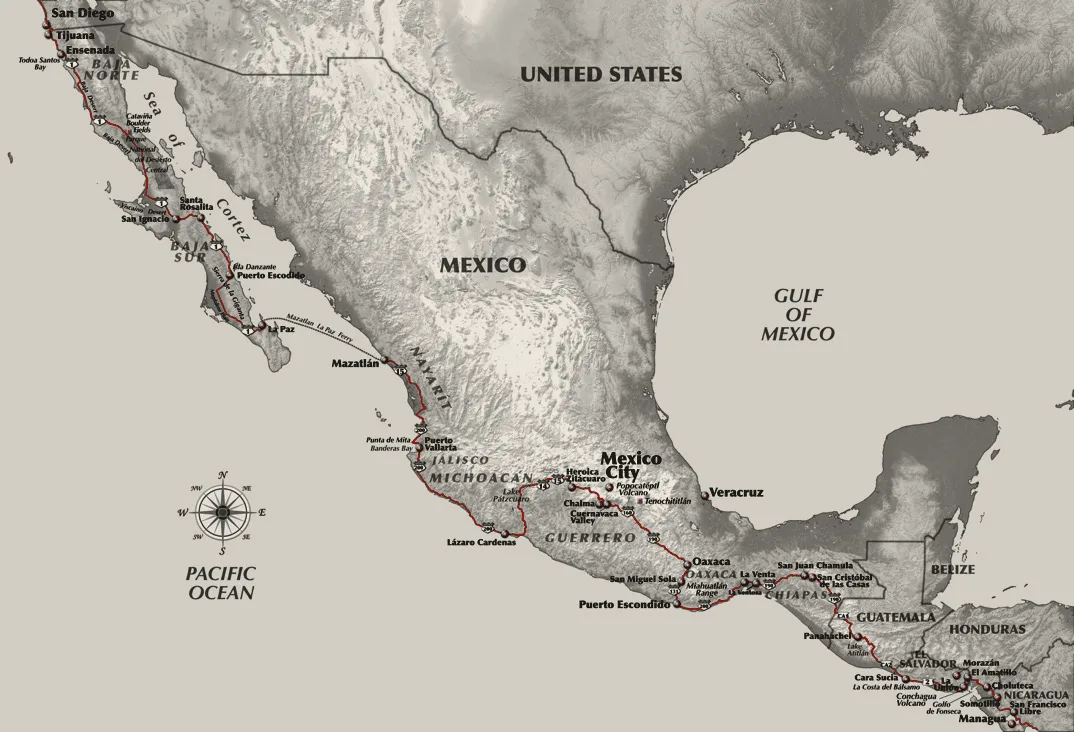
Seventy slides from two years on a bicycle, 1999 to 2001, in the order ridden.
-
Malaysia to Tibet
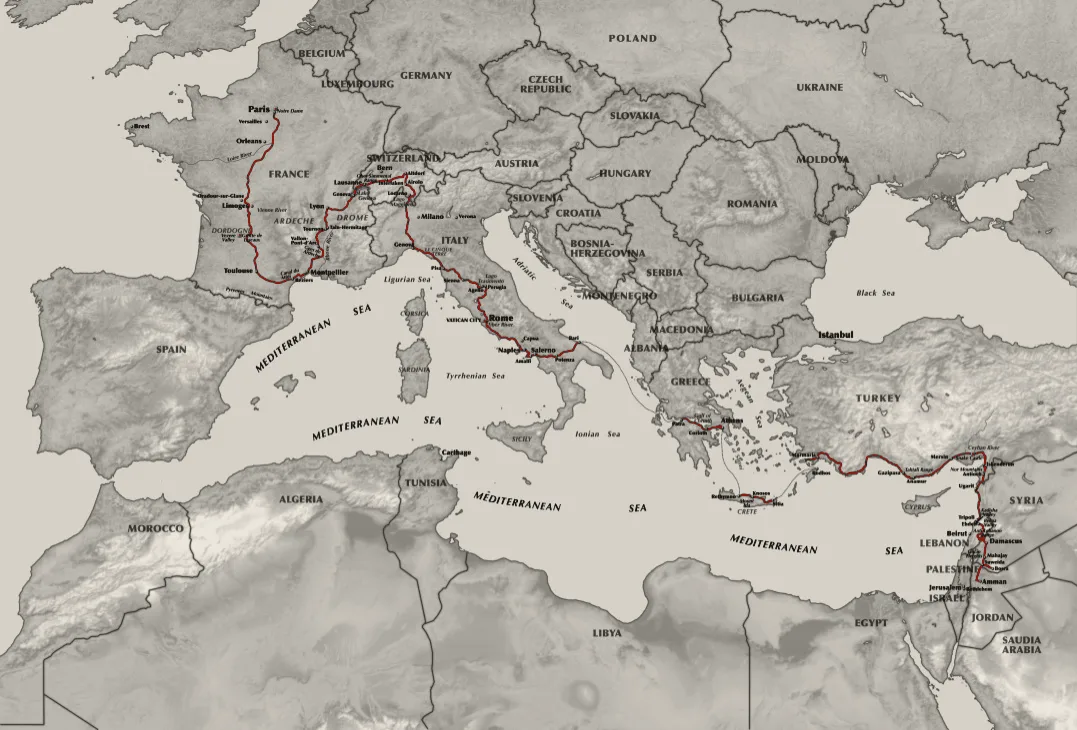
1999 to 2000
I had come to Asia to dissolve the self. It turned out to be the only thing anyone could see.
-
I. Malaysia to Tibet
Malaysia
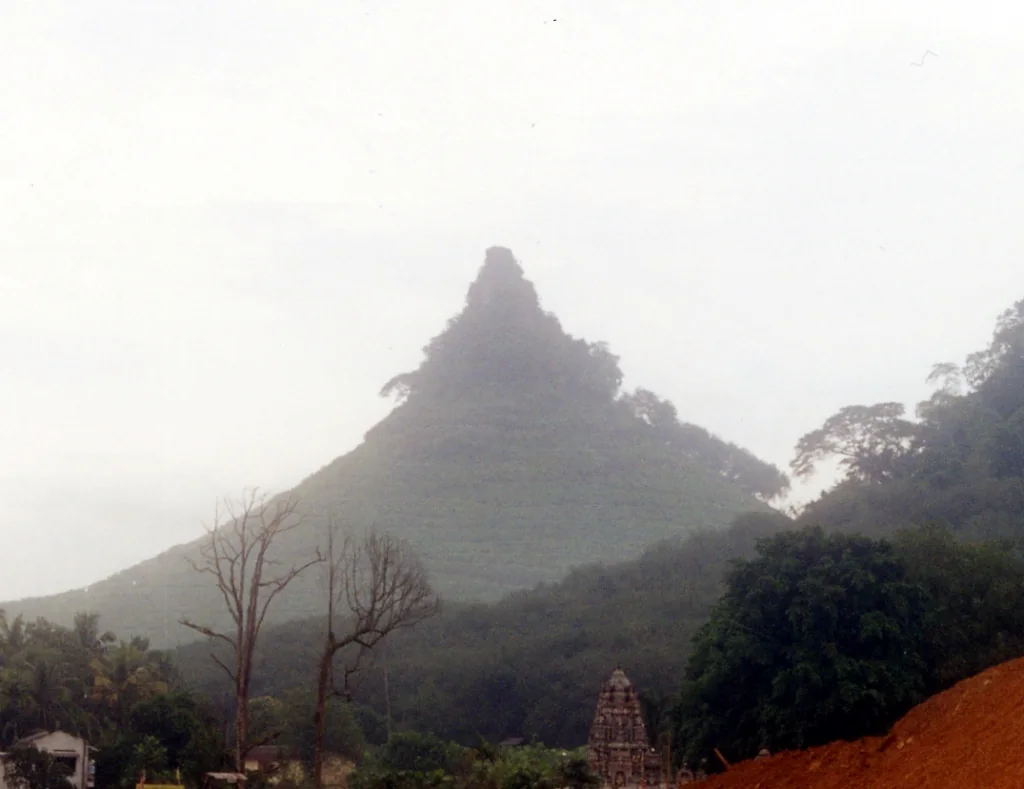
A Hindu temple tower below a hill in the Malaysian rain. The British brought Tamils from South India to work the rubber estates; their gods came with them and stayed when the British left. Kuala Lumpur, October 1999: a man on a moped heard my good morning and did not move his face. I was free. It felt like any other morning.
-
I. Malaysia to Tibet
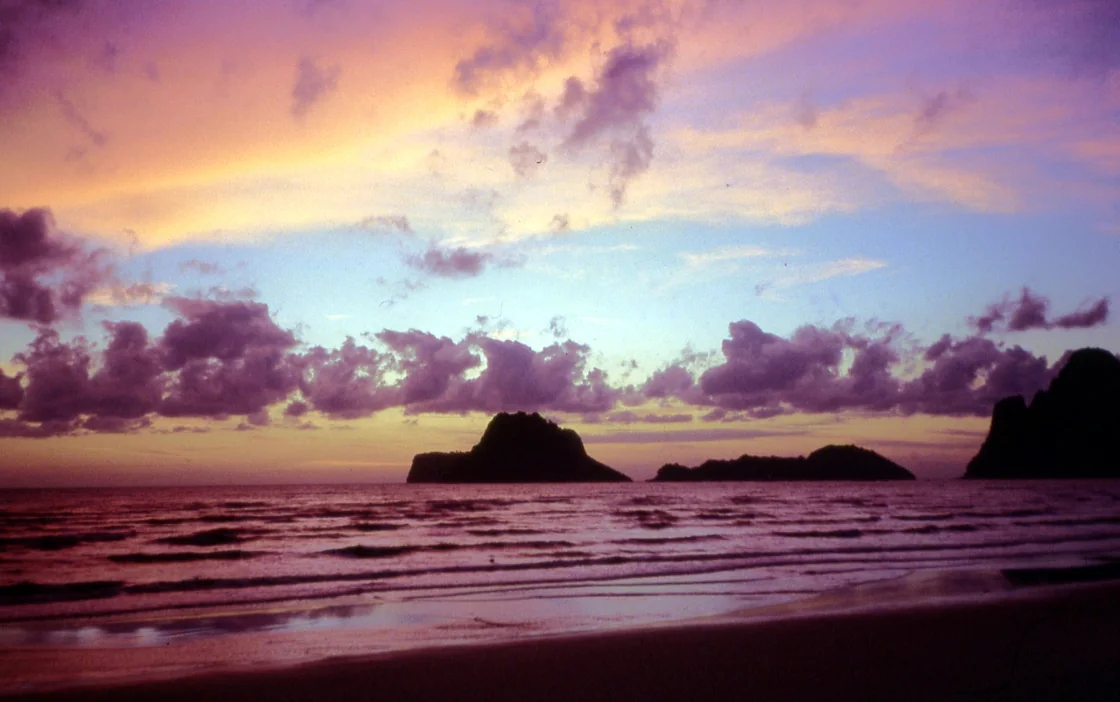
The Andaman coast, southern Thailand
The sun went down behind the islands as if nothing were at stake. I had ten thousand dollars, a bicycle, a list of monasteries, and no doubts at all.
-
I. Malaysia to Tibet
Ayutthaya, Thailand
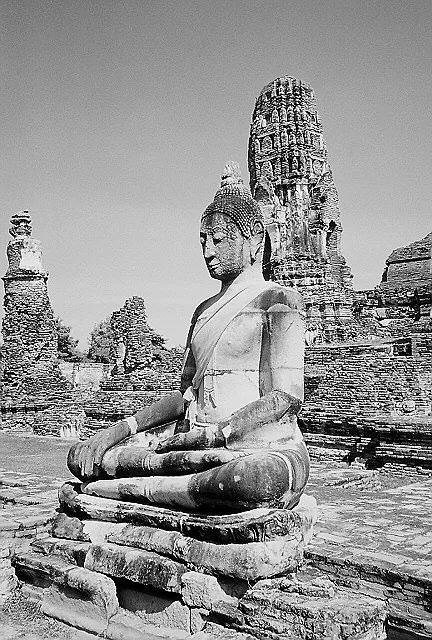
For four hundred years this was the capital of Siam. In 1767 the Burmese burned it and marched its people away as captives, and the kings never came back. Someone had tied a saffron sash across the Buddha's chest, as if he might be cold.
-
I. Malaysia to Tibet
Thailand
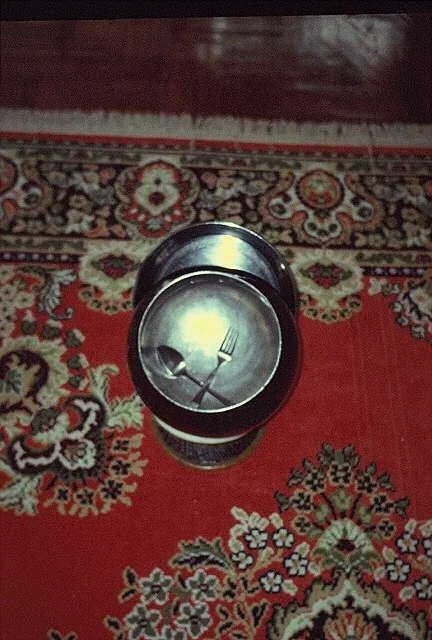
A bowl, a spoon, a fork, on a red carpet. I had come to shave my head and live on what was given. The first plan lasted until the first monastery, where the monks ate better than I did and the women of the village prostrated themselves before them on white tile. I had come looking for holiness. I had found an institution.
-
I. Malaysia to Tibet
Thailand
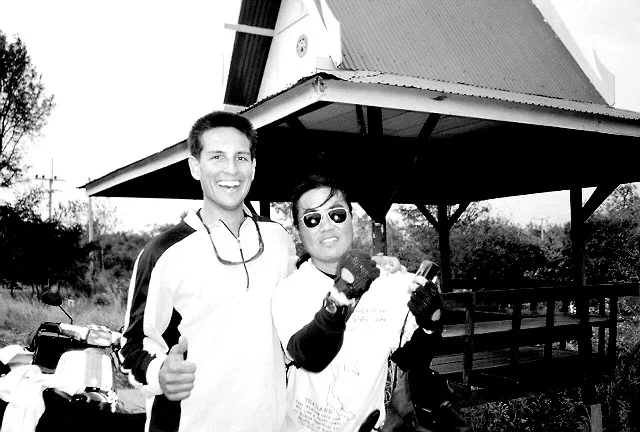
A man I met at a roadside shelter. We laughed at something; I no longer know what. I do not know his name either. I must have asked. I must have written it down somewhere.
-
I. Malaysia to Tibet
Chiang Mai, Thailand
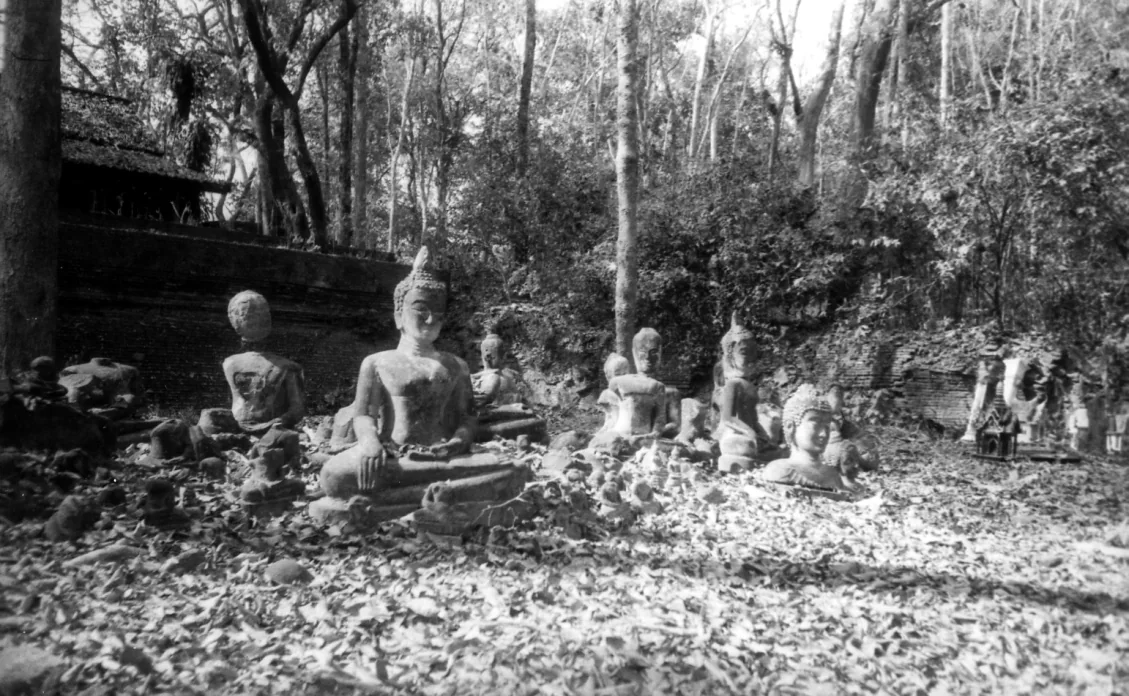
Broken Buddhas gathered under the trees outside a forest monastery in Chiang Mai, heads set back on bodies where they fit, left on the ground where they did not. The leaves came down on all of them alike.
-
I. Malaysia to Tibet
Laos
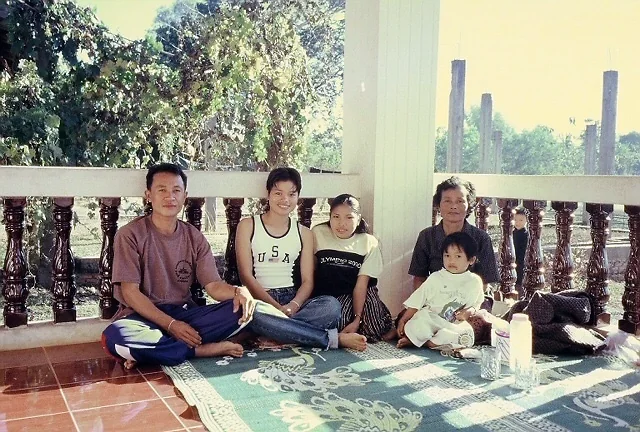
A family on a veranda in Laos. In another village a girl saw my face, screamed Falang!, foreigner, and the whole village ran inside. Here they stayed where they were and let me take the picture. I still do not know which village was the more polite.
-
I. Malaysia to Tibet
Laos
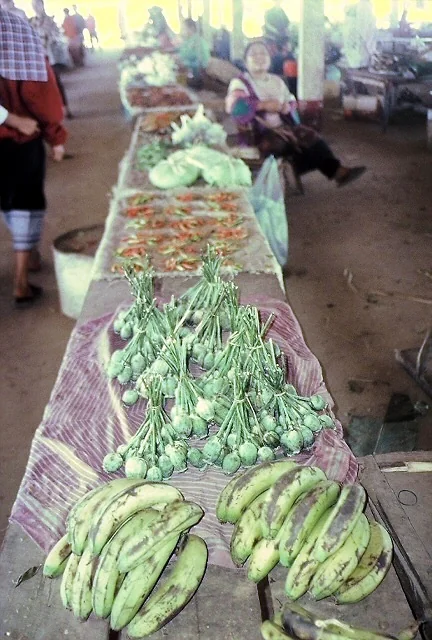
A market table: bananas, chilies, and bundles of poppy heads, green and ordinary as onions. In the hills soldiers guarded the opium fields; in the 1990s Laos ranked among the largest opium producers on earth. At the market it was simply another thing that grew.
-
I. Malaysia to Tibet
Yunnan, China
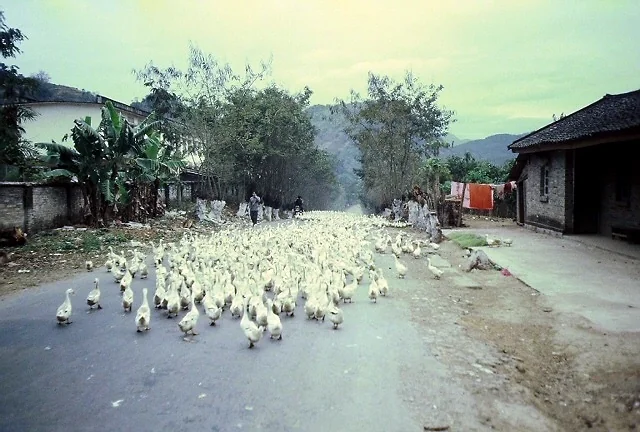
On the road to Kunming the ducks had the right of way. A man walked behind them with a stick, as his father must have, in no hurry. The century was ending. No one had told the ducks.
-
I. Malaysia to Tibet
Longdong, Yunnan
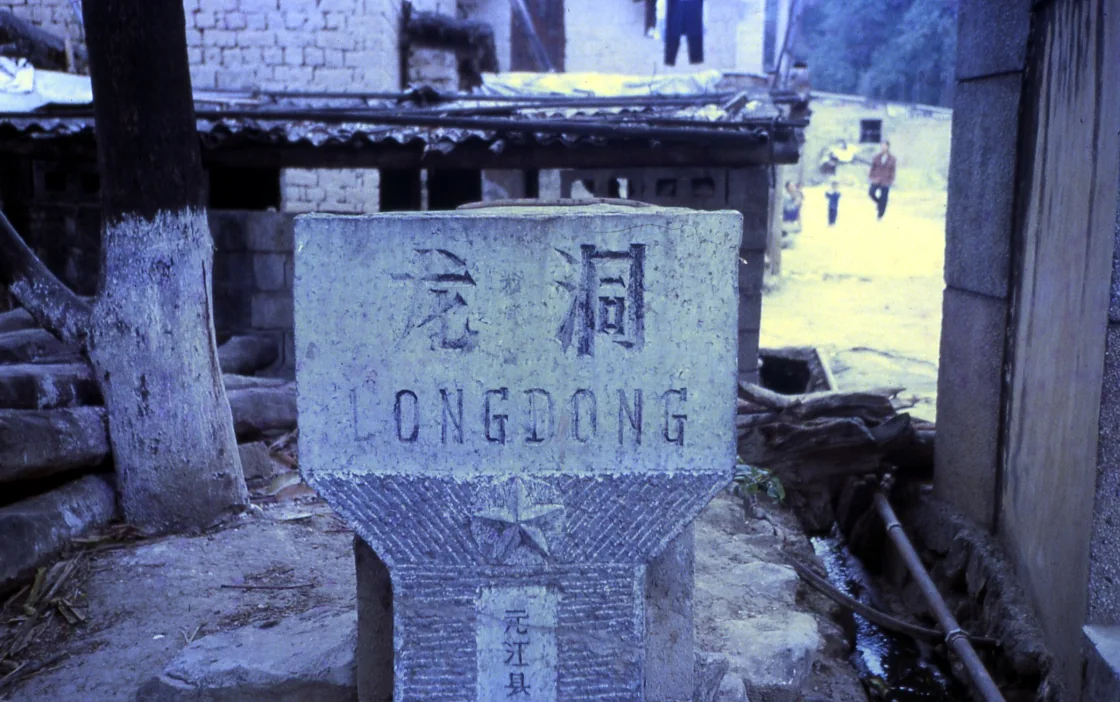
Longdong, a village in Yuanjiang County. In Chinese it means Dragon Cave. My sons think this is the funniest photograph in the collection, and they are right. Two years of temples, wars and revelations, and this is the one they ask for.
-
I. Malaysia to Tibet
Yunnan, China
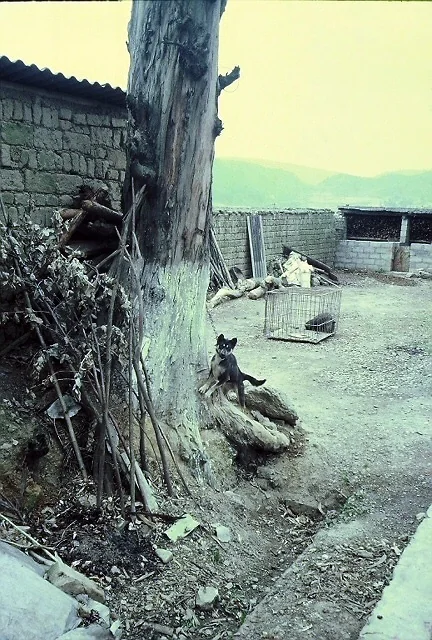
A courtyard in Yunnan: a dog on a stump beside an empty cage. In the markets I saw what was done to animals, and I will not describe it here. The dog had seen it too. He was not interested in making friends, and he had his reasons.
-
I. Malaysia to Tibet
Southwest China
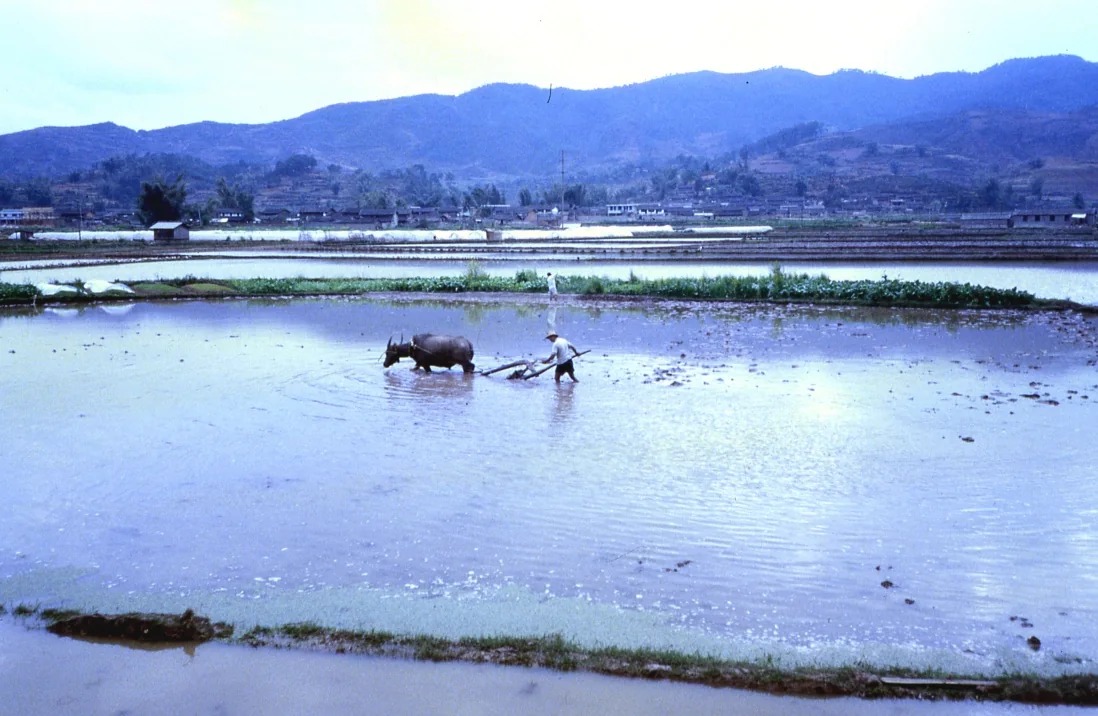
A man, a buffalo, a flooded field. Dynasties rose over this paddy and sank into it, and the plough did not change. The first grey hairs came in China.
-
I. Malaysia to Tibet
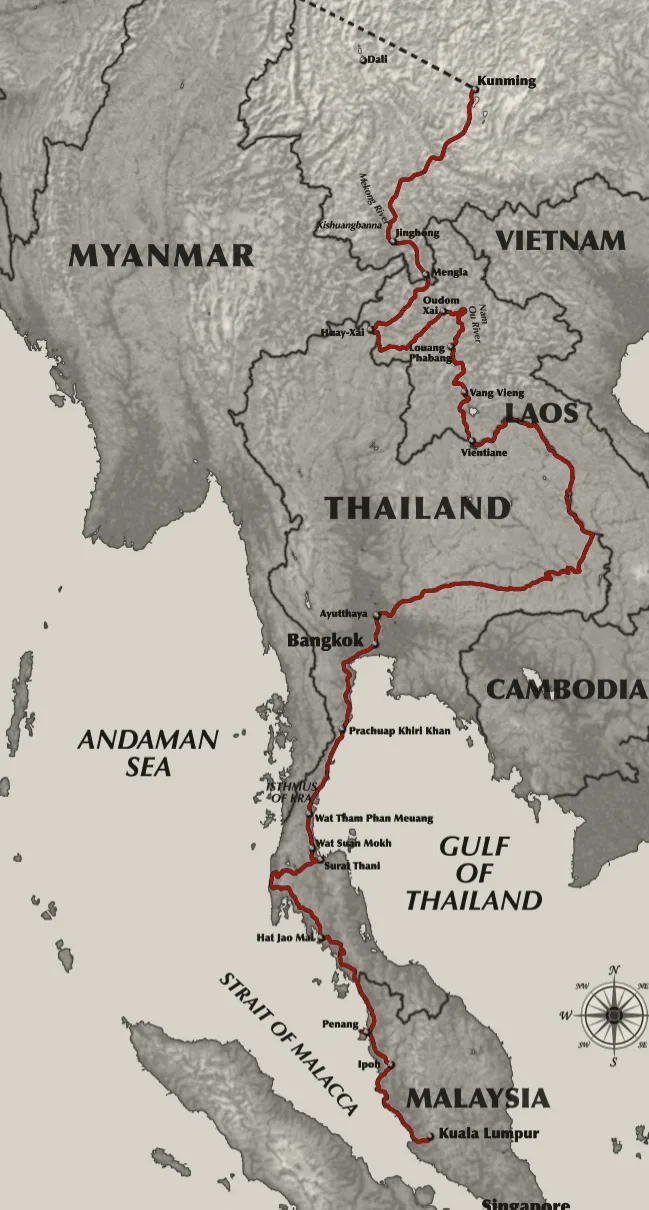
Kunming
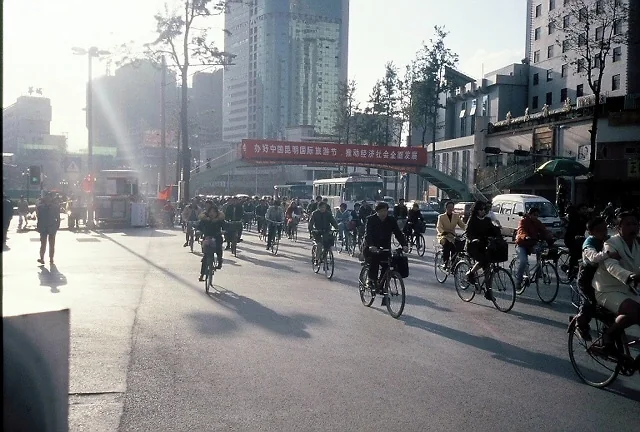
Kunming, where the first map ends. Rush hour was still bicycles, a slow river of them under a banner for the city's International Tourism Festival. For once I was not the only man on a bicycle. They looked anyway.
-
I. Malaysia to Tibet
China
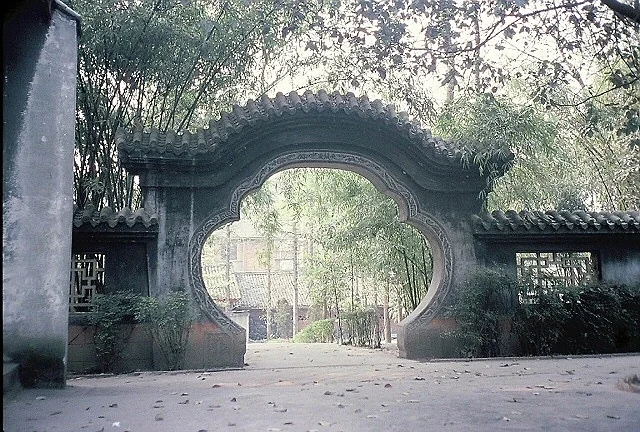
A round doorway, built so that whoever passes through steps into something whole. The permit to ride from Chengdu to Lhasa was refused, and refused again. In the end I flew over what I had meant to ride.
-
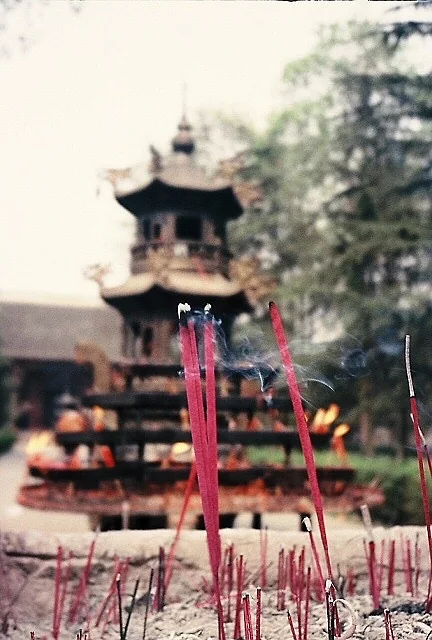
I. Malaysia to Tibet
China
Incense smoking before a temple burner. A generation after the Red Guards smashed the temples, the smoke was rising again. By permission, of course. Whose?
-
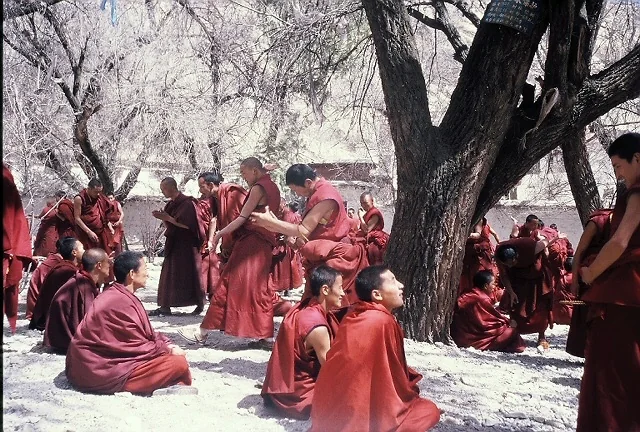
I. Malaysia to Tibet
Tibet
In the courtyard the monks debate. The questioner stands, claps, and stamps: the clap joins compassion to wisdom, the stamp shuts the door on rebirth in the lower realms. The one who sits may give only three answers. I had come to Asia to become one of them. Watching, I understood I had no answers at all.
-
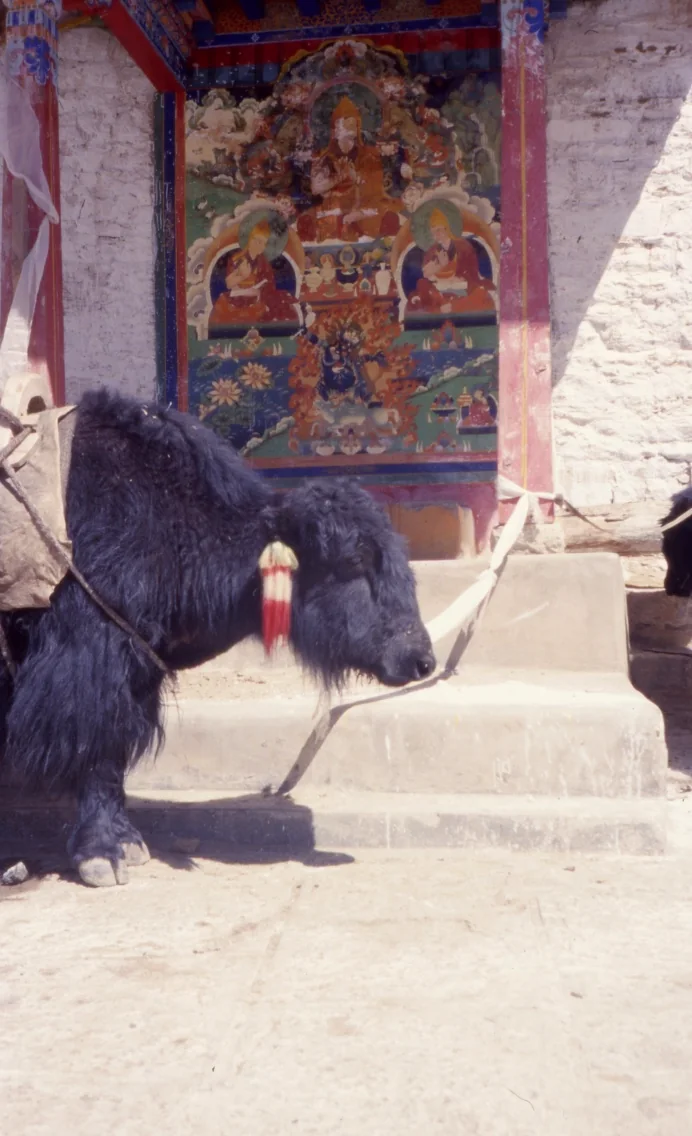
I. Malaysia to Tibet
Tibet
A yak tethered at the monastery steps, a painted paradise behind it. The nomads poured me tea churned with its butter, the worst thing I have ever tasted and the only thing they had to give. They laughed at me and poured more.
-
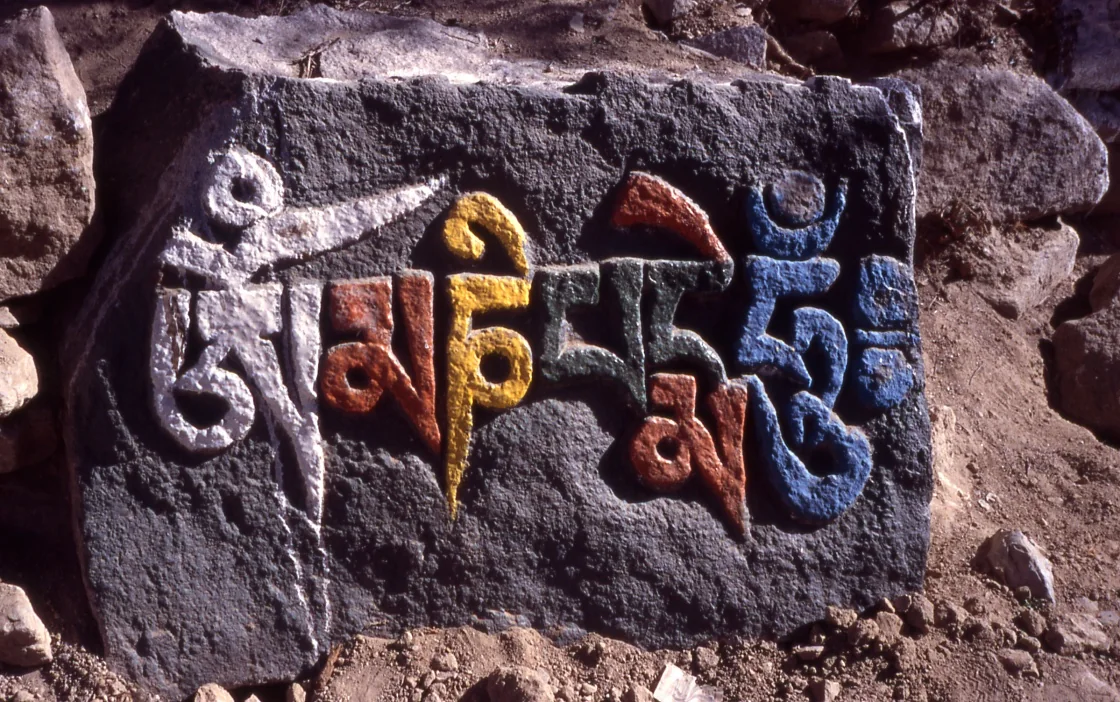
I. Malaysia to Tibet
Tibet
Om mani padme hum, carved and painted on a stone and left by the path, one among thousands. It is the mantra of Chenrezig, the Bodhisattva of Compassion, of whom every Dalai Lama is held to be an emanation. A stone says its prayer once and then keeps saying it. The State can close a monastery. It is harder to close a hillside.
-
I. Malaysia to Tibet
Tibet
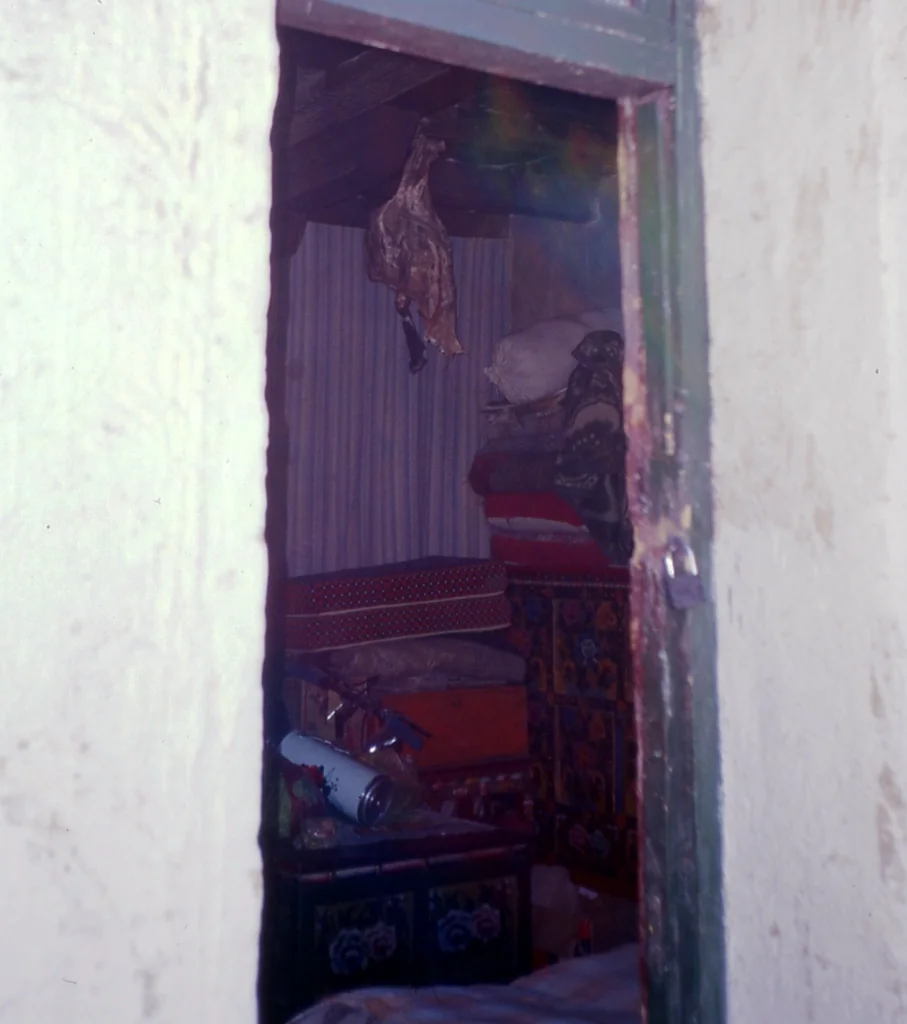
Meat hanging from the rafters of a Tibetan house. There is no refrigerator, and no need of one: at this altitude the cold, dry air keeps meat through the winter. A thermos of butter tea on the painted chest, a padlock hanging open on the door.
-
I. Malaysia to Tibet
Tibet
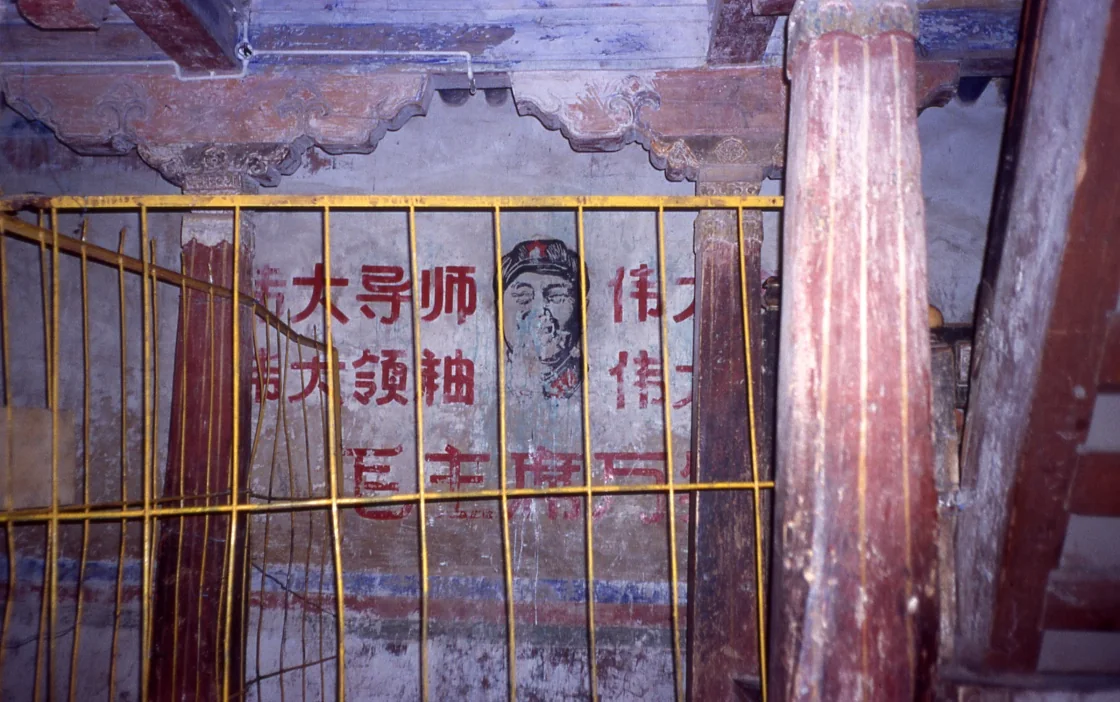
Inside a Tibetan temple, behind a wire grille, Mao is still on the wall: great teacher, great leader. The slogan was born in 1966, the year the Cultural Revolution came for the monasteries, and Beijing retired it after 1971. No one has painted it over. Whether the grille protects the slogan or the temple from the slogan, I could not tell.
-
I. Malaysia to Tibet
Tibet
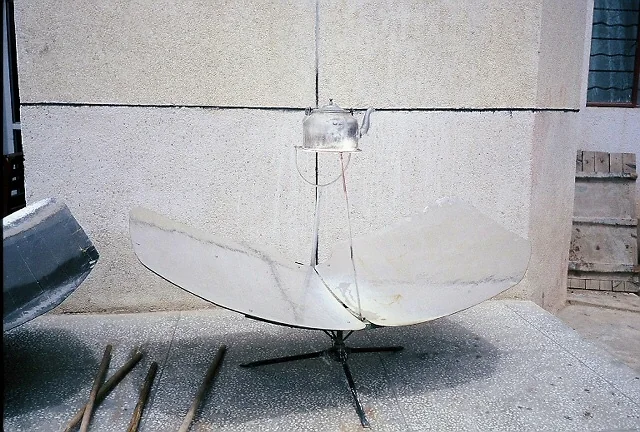
A kettle boiling on a mirror. On the plateau the air is thin and the sun is close, and where no trees grow, a dish of polished metal does the work of a fire.
-
Nepal and India
2000
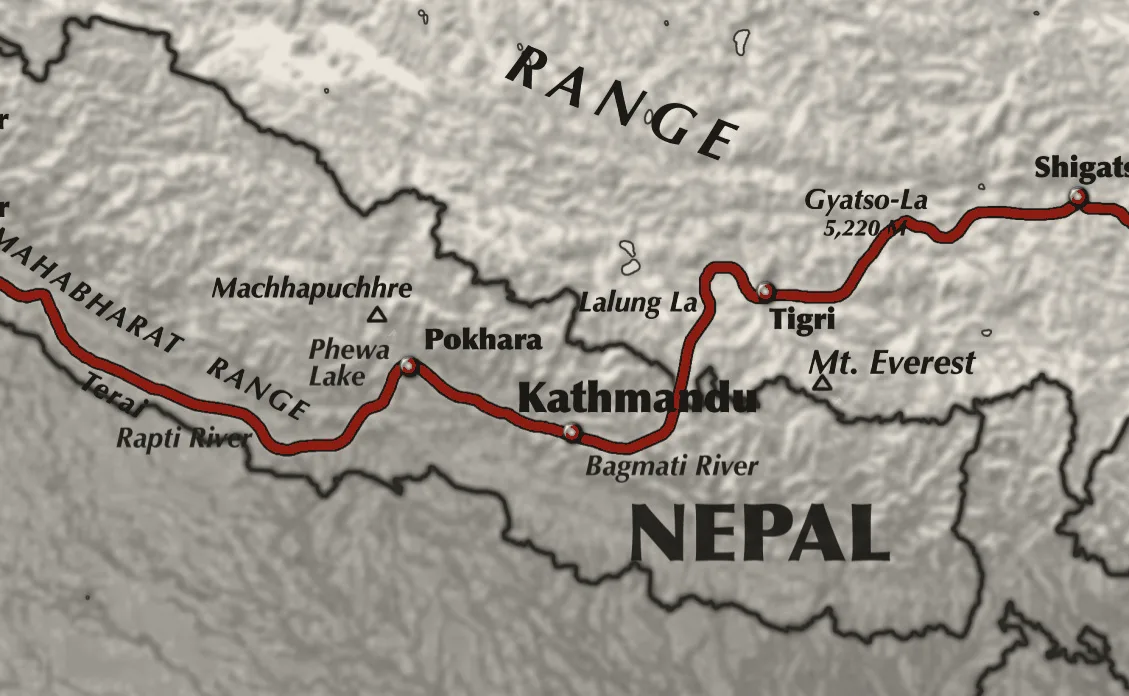
Then the hospital, and the appendix. Two months on my back, then the road again, down into India.
-
II. Nepal and India
Pashupatinath, Kathmandu
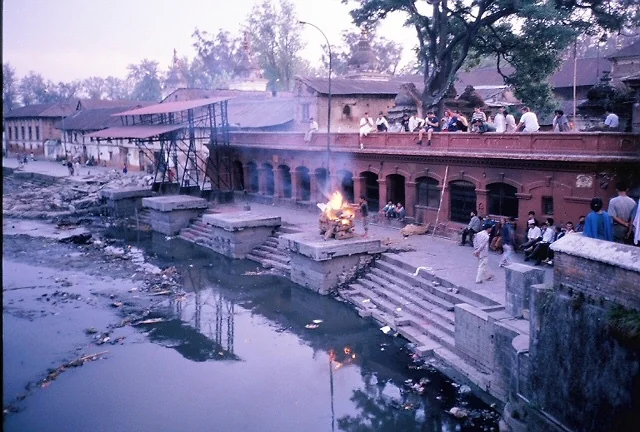
At Pashupatinath the dead burn in the open on the steps of the Bagmati, and the living sit on the terrace and watch, the way one watches weather. A few days later, in Pokhara, I lay on the ground outside the public hospital with appendicitis, looked at Machapuchare, and waited for the end. Two weeks earlier, on the Tibetan plateau, it would have found me.
-
II. Nepal and India
The Terai, Nepal
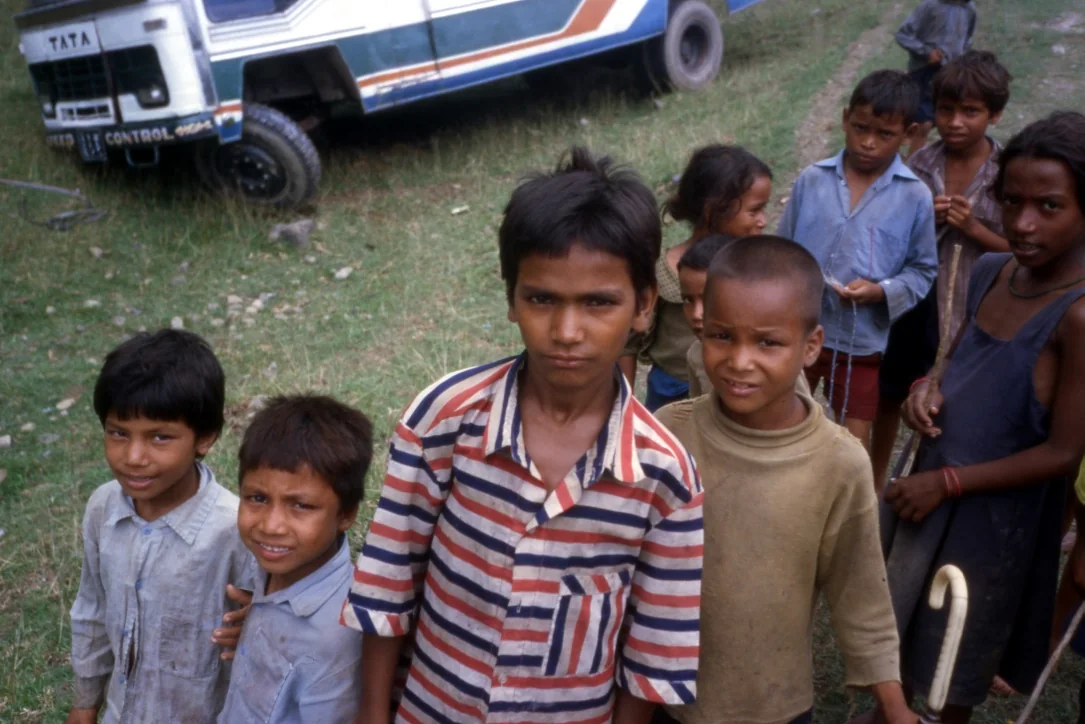
Children of the Terai around a bus that had rolled off the highway into a field. Nobody screamed. The children came to look; the men came to see what could be saved. The Maoist war was four years old and would kill more than seventeen thousand people. The boy in the striped shirt would be nearly forty now.
-
II. Nepal and India
The Subcontinent
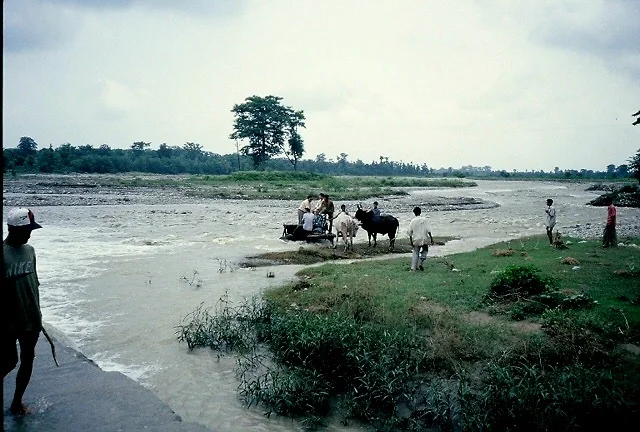
Where the road reaches the river, the river decides. A cart, two oxen, men in the current to their knees. On these plains the monsoon redraws the map every year, and people cross where the water lets them.
-
II. Nepal and India
Near Nainital, India
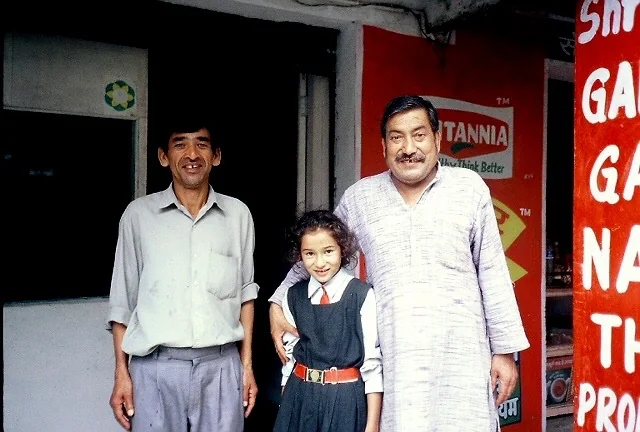
Near Nainital, in the Kumaon hills, a shopkeeper took me in. He was a man of standing in the village, the one people came to with their problems, and he had an apple orchard; we walked it together, and he would not stop giving. The men ate together. The women ate in the kitchen, apart. So kind, so generous, and so different. Up in the hills the Western seekers traded one set of bells and incense for another. I was one of them, with a bicycle instead of bells.
-
II. Nepal and India
Samrala, the Punjab
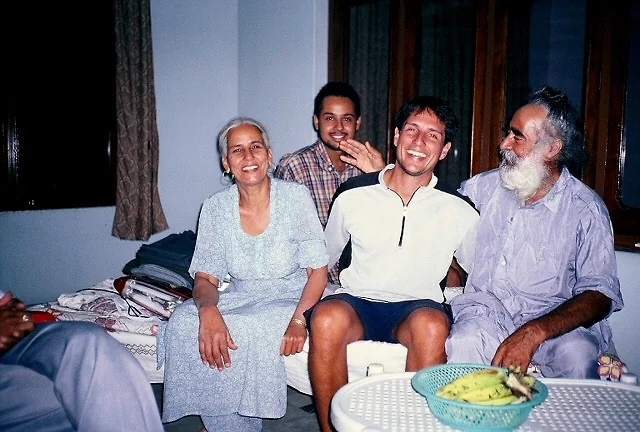
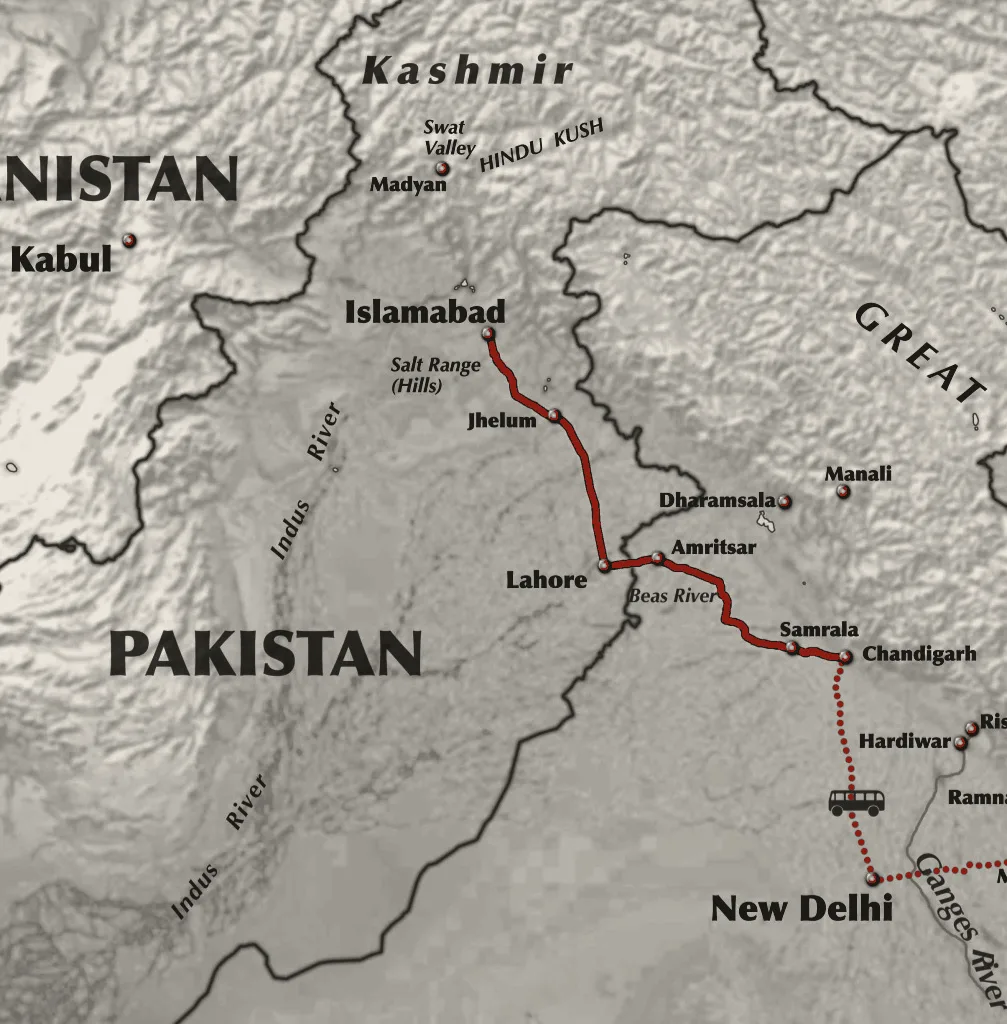
Manjot found me at his family's cold-drink shop on the Punjabi plain, would not let me pay, and took me home to Samrala. In Punjabi culture, he said, the guest is God. His mother cooked; the men ate first; she ate in the kitchen. In 1947 Partition drew a line through the Punjab in a matter of weeks, and millions crossed it running, in both directions. In the photograph everyone is laughing, and I can no longer remember at what.
-
II. Nepal and India
The Golden Temple, Amritsar
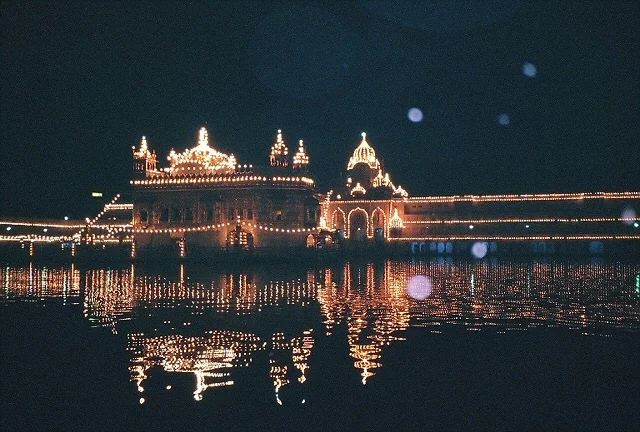
The Golden Temple at night. By day its kitchen feeds as many as a hundred thousand people and asks no one his religion or his name. In June 1984 the Indian Army stormed it to drive out armed militants; that October the prime minister, Indira Gandhi, was shot dead by her own Sikh bodyguards. Sixteen years later the lights were back on, and the pool gave them back double.
-
Pakistan, Syria and Lebanon
2000
The road does not move. You move on it and take what comes.
-
III. Pakistan, Syria and Lebanon
Lahore
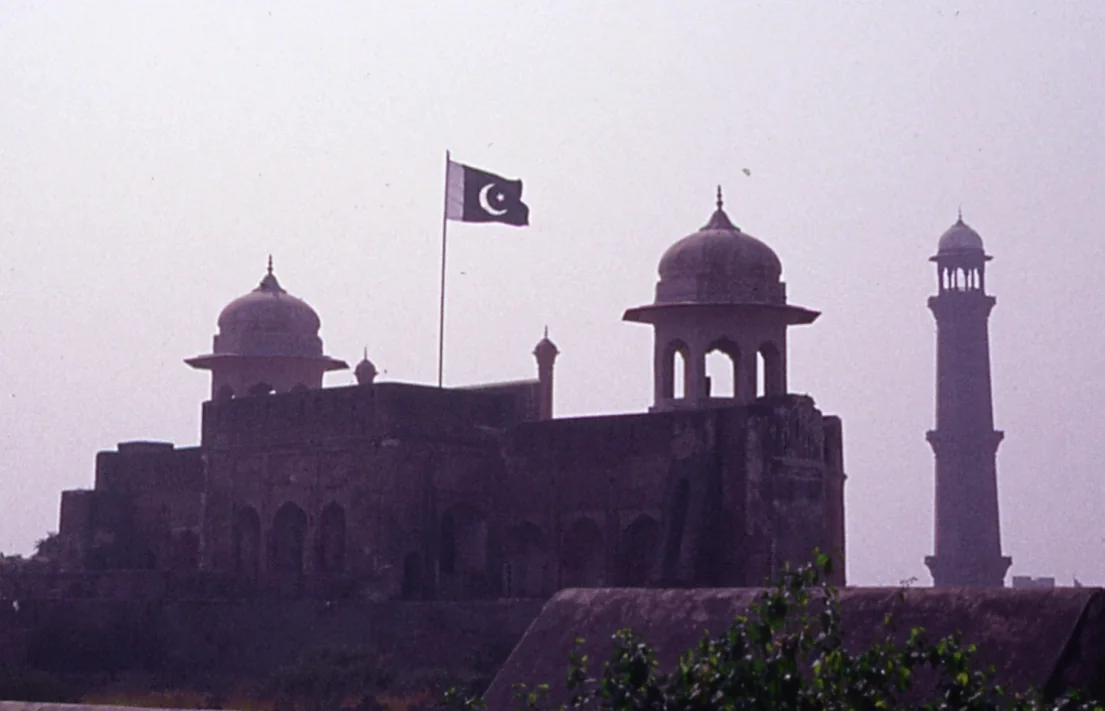
The Lahore Fort, the flag of Pakistan over its walls, and beyond it a minaret of the Badshahi Mosque, finished by the emperor Aurangzeb in 1673. Before this flag the Mughals flew theirs here, then the Sikhs, then the British. Lahore outlasted them all, the way great cities do, by taking none of them too seriously.
-
III. Pakistan, Syria and Lebanon
Lahore
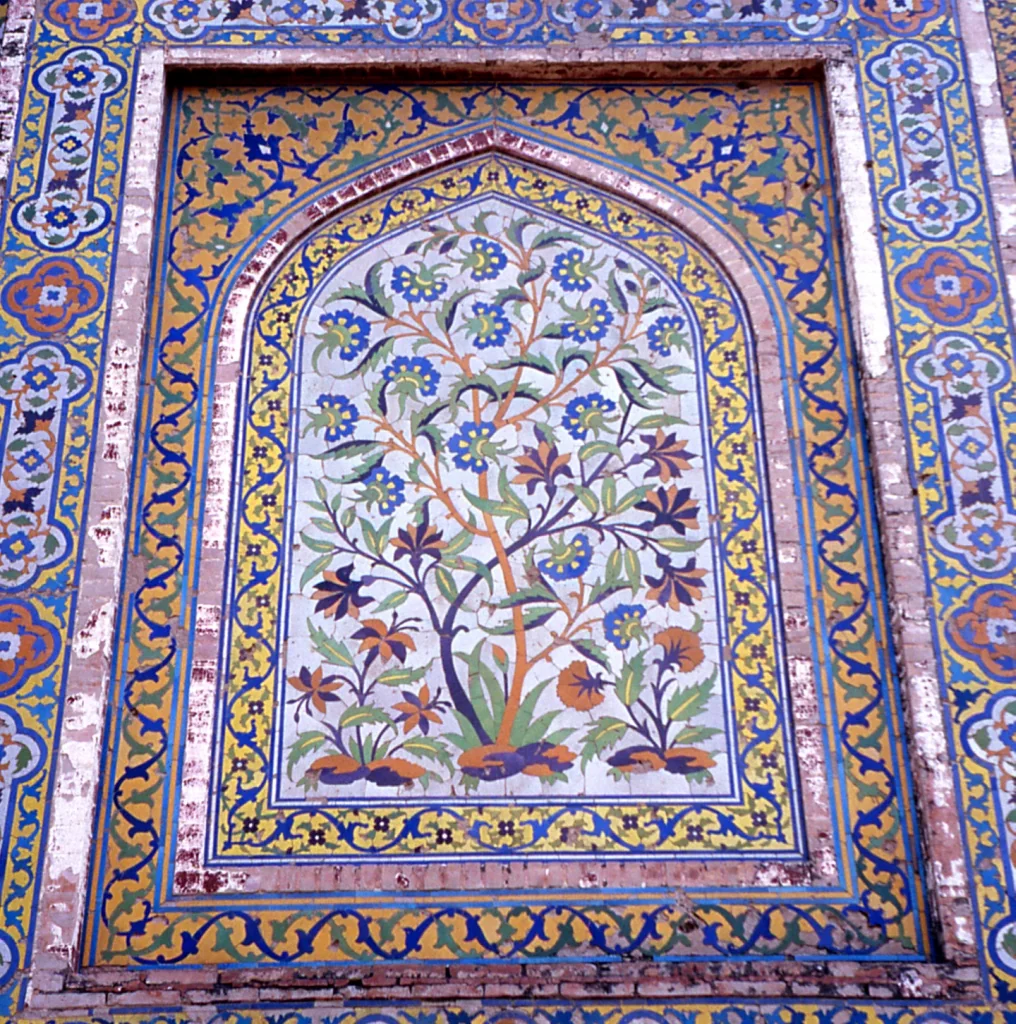
A flowering tree in glazed tile, the kashi work the Mughals brought from Persia. Someone set these pieces one by one so that, centuries later, a man on a bicycle could stand in front of them with nothing to say.
-
III. Pakistan, Syria and Lebanon
Pakistan
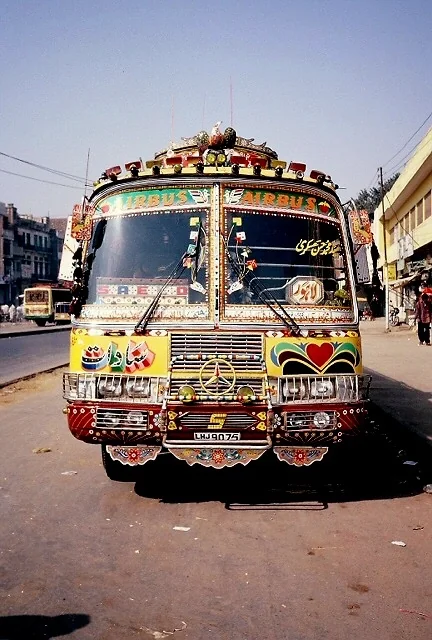
A bus dressed like a bride. A driver will spend more on his vehicle than on his house, because the house stays where it is and the bus is seen by the world. In Pakistan someone was always offering tea. If I have a religion, it is that.
-
III. Pakistan, Syria and Lebanon
Pakistan
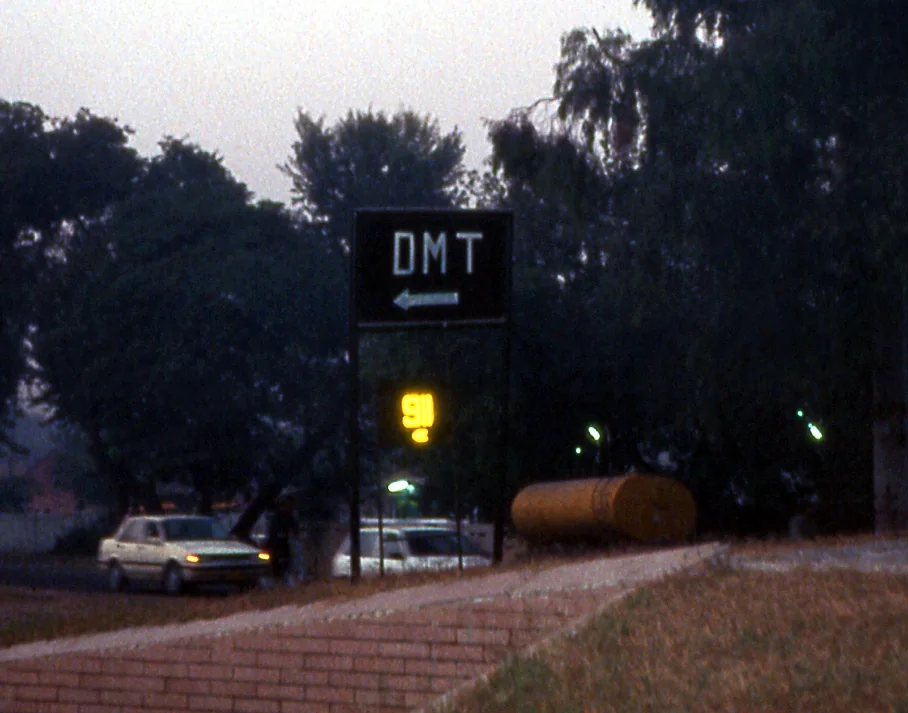
DMT, this way. In America DMT is the spirit molecule, the drug that is supposed to show you God. In the armies the British left behind, DMT means Driver, Mechanical Transport. One takes you to the divine; the other takes the colonel to lunch. I never found out which this sign meant. I have my suspicions about the arrow.
-
III. Pakistan, Syria and Lebanon
Swat Valley, Pakistan
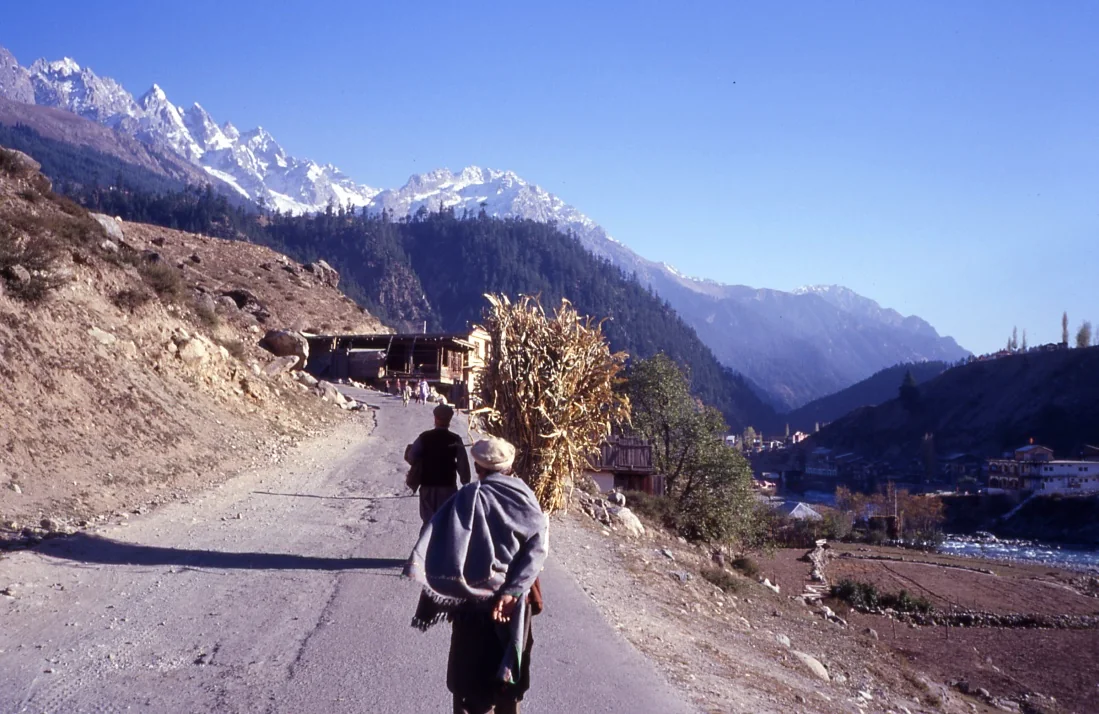
Men carrying the harvest up the Swat road under the snows. In Madyan the people had hazel eyes and light-brown skin. So did I. After a year of being stared at across Asia, nobody looked twice; strangers invited me in to pray with them. It was not the faith that took me in, or the Buddhist ruins, or anything I had read. It was my face. In the 1970s the psychologist Henri Tajfel showed that people favor their own group even when the group is assigned at random. On the Silk Road, the dice came up mine. Until I opened my mouth.
-
III. Pakistan, Syria and Lebanon
Swat Valley, Pakistan
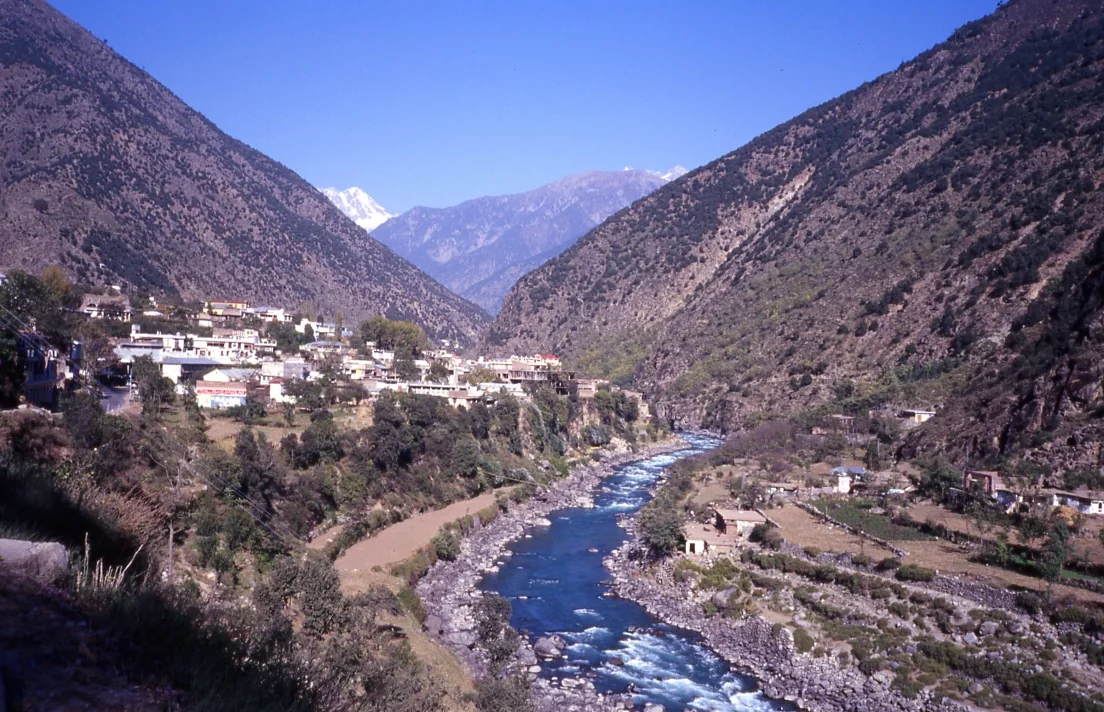
The Swat River, clear and fast, as if it had no history. Seven years later came the Taliban, then the army, then, in the summer of 2010, the river itself, which took the bridges, the road and whole villages.
-
III. Pakistan, Syria and Lebanon
Temple of Hercules, Amman
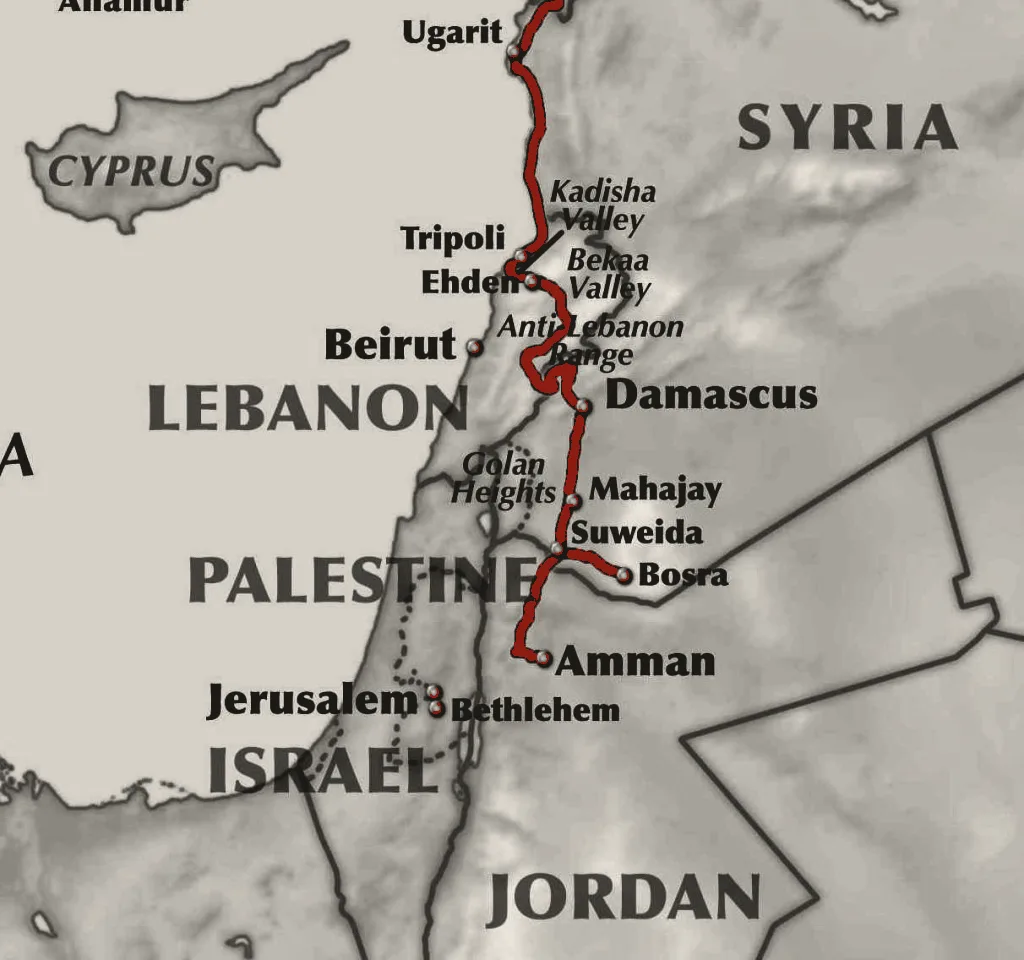
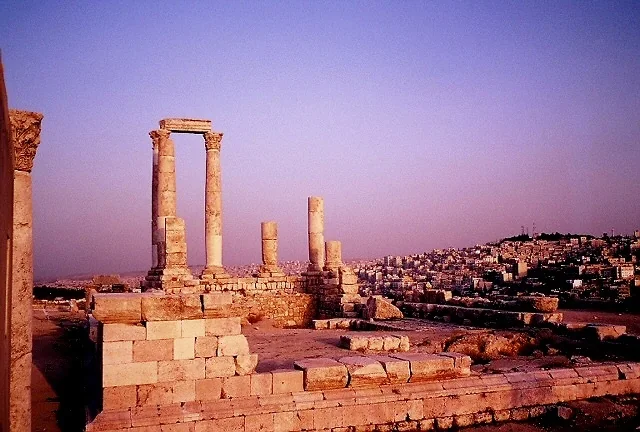
Iran refused a visa, again and again. I flew from Islamabad to Amman. On the Citadel the Romans raised a temple to Hercules around AD 165, when the city was named Philadelphia, brotherly love. Of the god, a hand and an elbow remain. Brotherhood has fared about the same.
-
III. Pakistan, Syria and Lebanon
The Roman Theater, Amman
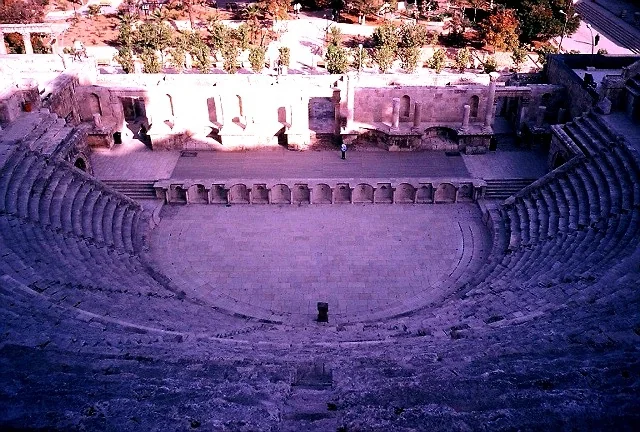
Below the Citadel the Romans cut a theater into the hill for six thousand people, in the reign of Antoninus Pius. It faces north, so the sun stays out of the audience's eyes. One figure crosses the stage, small as a comma.
-
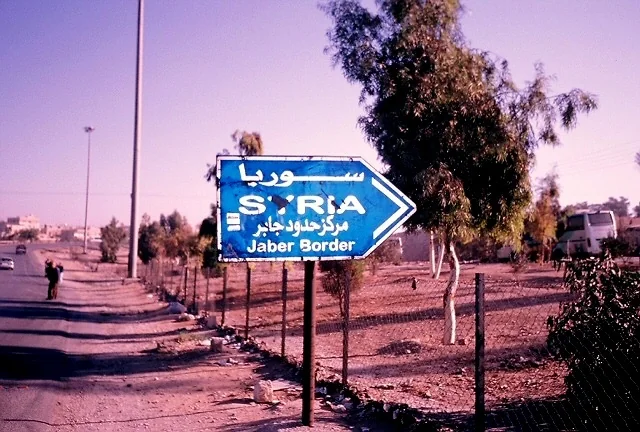
III. Pakistan, Syria and Lebanon
The Jaber crossing, Jordan
North to Syria, which would give me the kindest welcome of the journey. In 2015 rebels took the far side and this crossing closed for three years. In December 2024, as the old regime fell, it closed again. The sign still points north.
-
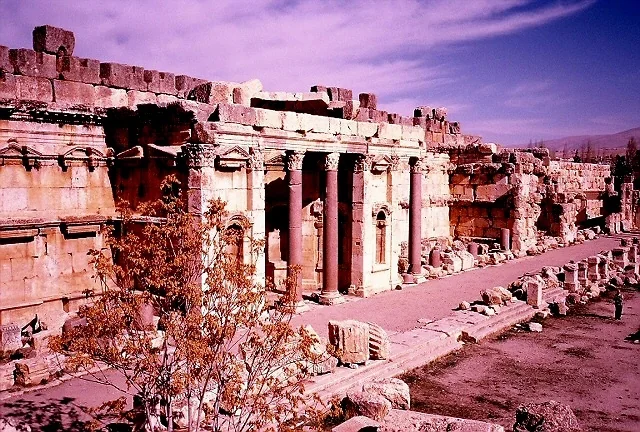
III. Pakistan, Syria and Lebanon
Baalbek, Lebanon
Baalbek, in the Bekaa. The Romans called it Heliopolis, City of the Sun, and spent three centuries raising temples to Jupiter on foundation stones of some eight hundred tons apiece. In 2024 bombs fell near it, and UNESCO placed it under its highest protection. The stones have outlasted everyone who ever wanted them. That is not the same as being safe.
-
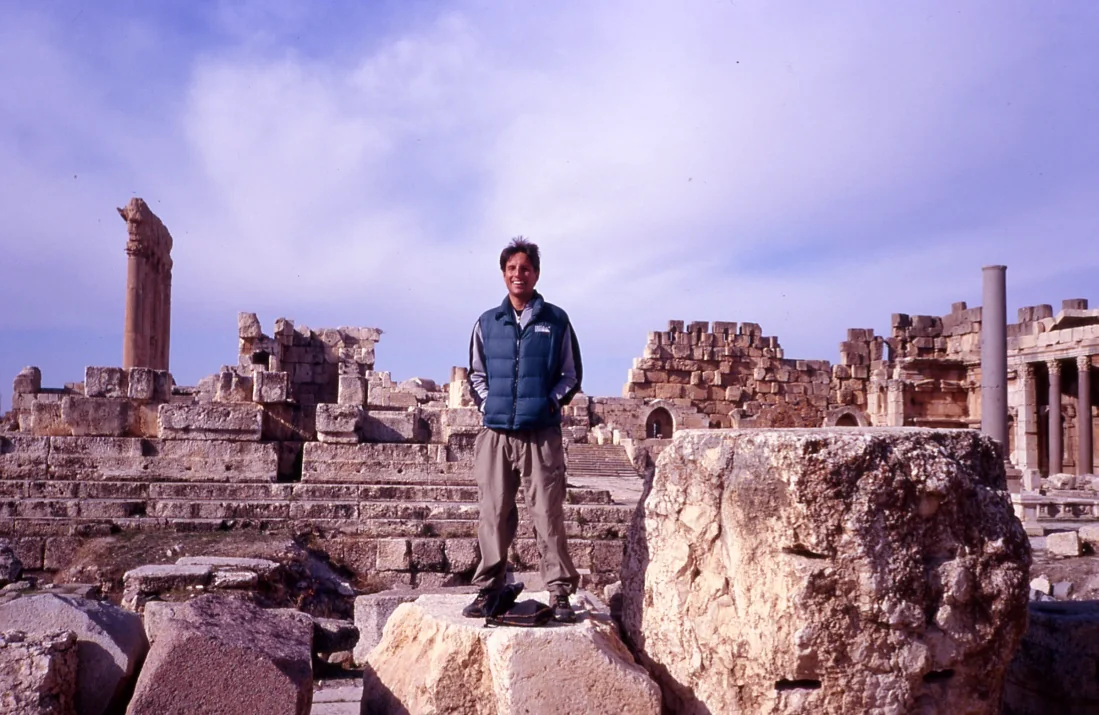
III. Pakistan, Syria and Lebanon
Baalbek, Lebanon
After the ruins I took tea and a sheesha at a café across the road. The men at the other tables all wore the black-and-white keffiyeh and talked low and grim, like a board meeting where the agenda is somebody else's country. When the waiter asked where I was from, their table went silent. France, I said, leaning on the nasal an. My French was good, and I kept it to the essentials: the tea, the bill, merci. I have never been prouder of a vowel.
-
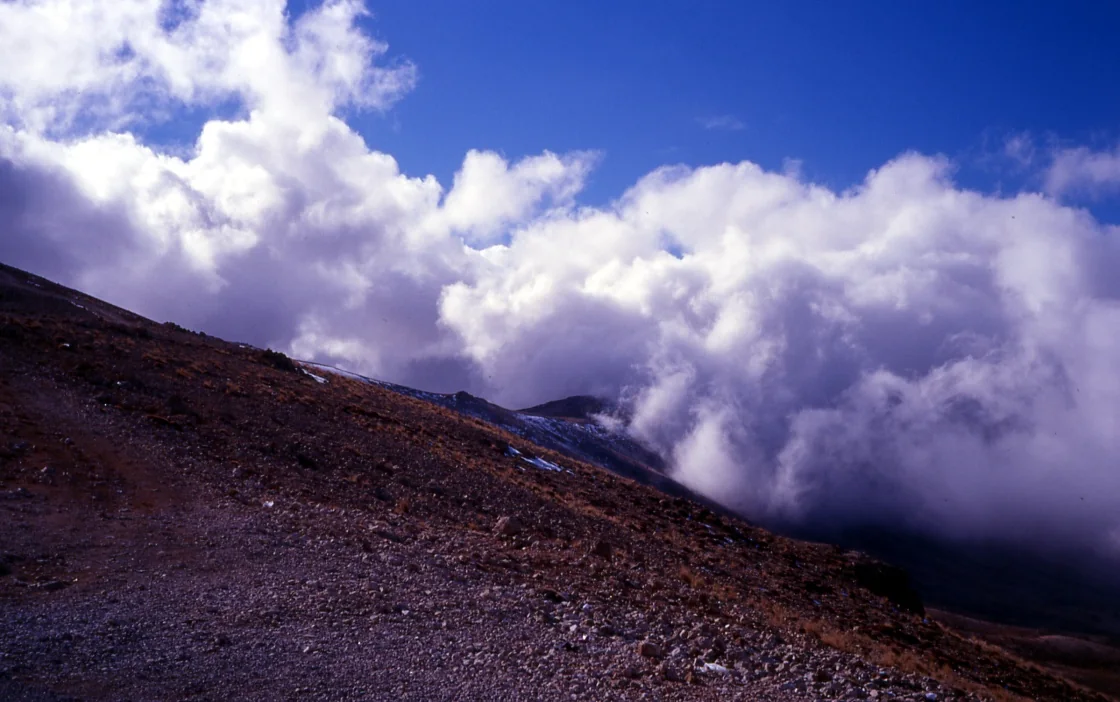
III. Pakistan, Syria and Lebanon
The pass out of the Bekaa, Lebanon
Cloud pouring over the pass out of the Bekaa, at more than two thousand meters. The valley below is the northern reach of the Great Rift, where our primate ancestors first stood up, and up which, some ninety thousand years ago, people walked into the Levant. Egyptians, Greeks, Persians, Romans and Arabs ruled it after them. On the ridge I felt what I had felt under the stars: a magnificent unimportance. It was the best news I had had in weeks.
-
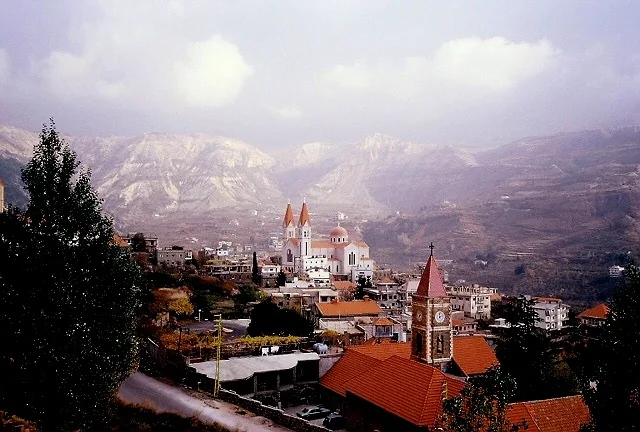
III. Pakistan, Syria and Lebanon
Bsharri, Lebanon
Bsharri, at the head of the Qadisha Valley, where Maronite hermits cut their cells into the cliffs and Khalil Gibran was born. Coming down into Christian country, I peeled the sticker off my bicycle that read There is no god but Allah; the Syrian border guards had already had opinions about it. A man who changes his theology at every border is a diplomat. With stickers, he is a cyclist. That night, down the valley at Ehden, Joseph's friends fought a duel with kebab skewers, two hunters arrived with shotguns, and I drank arak to the health of George W. Bush with a loaded gun on the table. Later a man with a crooked chin and another shotgun told me: You go. This is not hotel. I rode out into the dark.
-
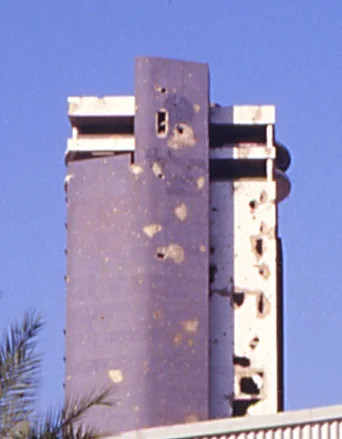
III. Pakistan, Syria and Lebanon
Lebanon
The civil war lasted fifteen years and ended in 1990. Ten years later the towers still wore it. Lebanon has been bombed again since. I do not know if this one is still standing.
-
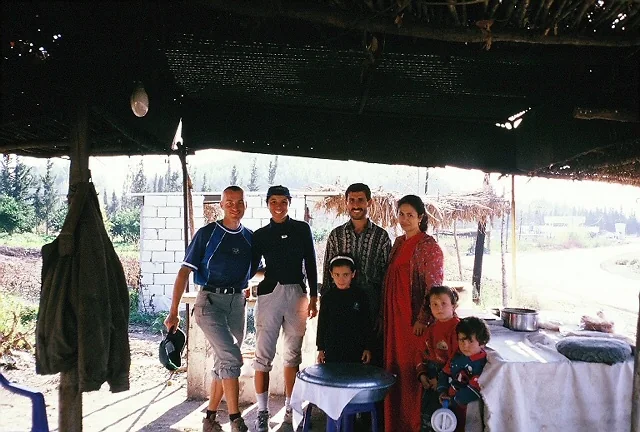
III. Pakistan, Syria and Lebanon
Northern Syria
The only other cyclists I met in the Middle East, under a family's roadside shade in northern Syria, not far from the Turkish border. For an afternoon there were three of us who understood exactly what we were doing, and none of us could have explained it. Within a dozen years the war had reached these roads.
-
Turkey to France
2000 to 2001
The strong do as they can, and the weak suffer as they must. I underline it, and for a long time I am sure it is about other people.
-
IV. Turkey to France
Antakya, the old Antioch
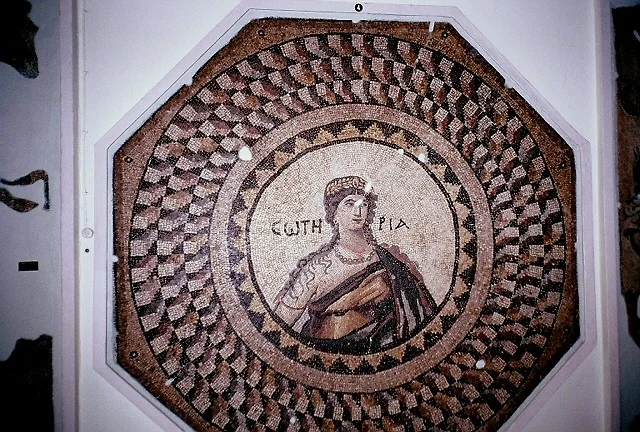
Soteria: salvation, in Greek, set in stone in the fifth century and kept in the museum at Antakya, the old Antioch, among the great collections of Roman mosaics. It was at Antioch that the followers of Jesus were first called Christians. In February 2023 an earthquake brought much of the city down; the museum walls cracked and the mosaics were packed away. Salvation, as usual, was postponed.
-
IV. Turkey to France
Yılankale, Turkey
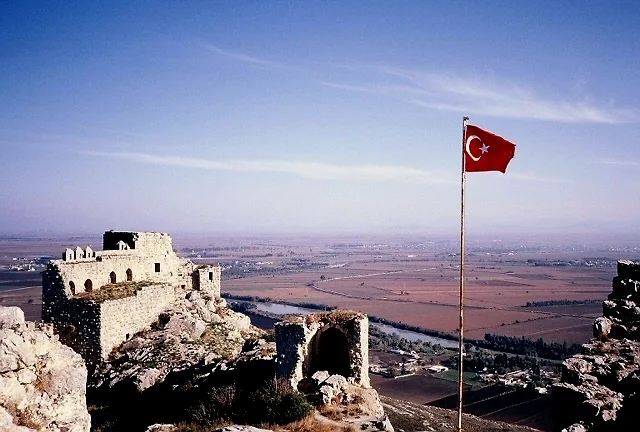
Yılankale, the Snake Castle, above the Ceyhan River and the Cilician plain. The Armenian kings of Cilicia raised it in the age of the Crusades, and it was abandoned in the fourteenth century. The villagers say it belongs to Shahmaran, half woman, half serpent. Someone has put up a flag.
-
IV. Turkey to France
Southern Turkey
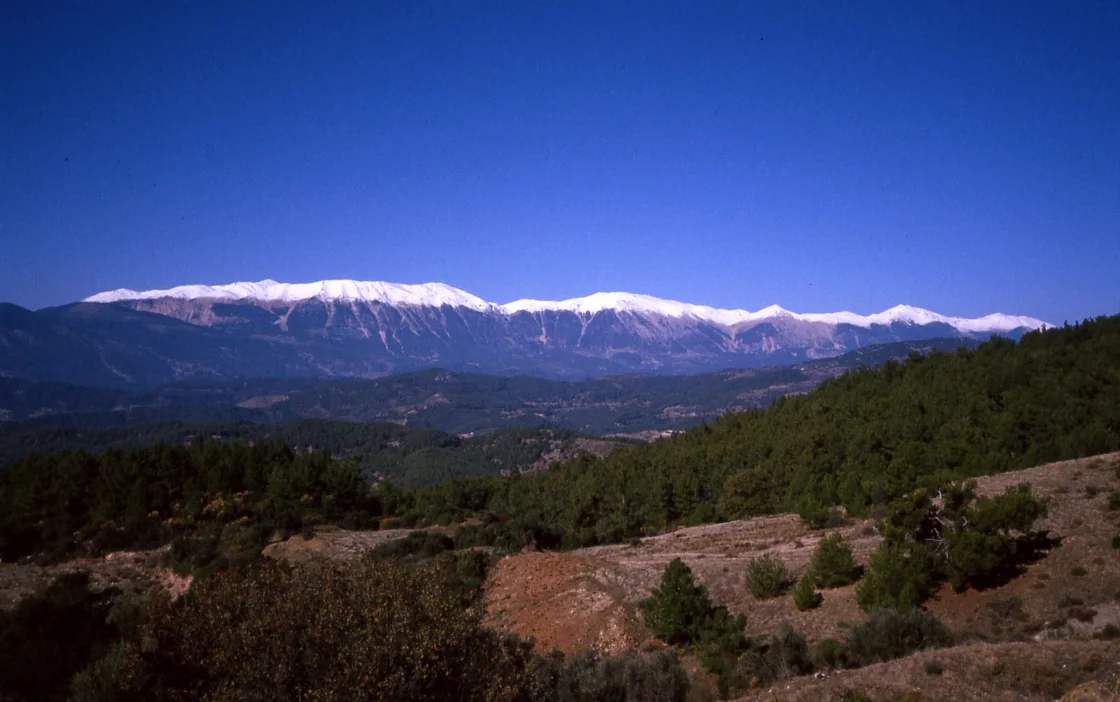
Snow on the mountains of southern Turkey, in winter. On this coast in 1190 the emperor Frederick Barbarossa, marching an army to Jerusalem, drowned crossing a river. The river is called the Göksu now.
-
IV. Turkey to France
The Turkish coast
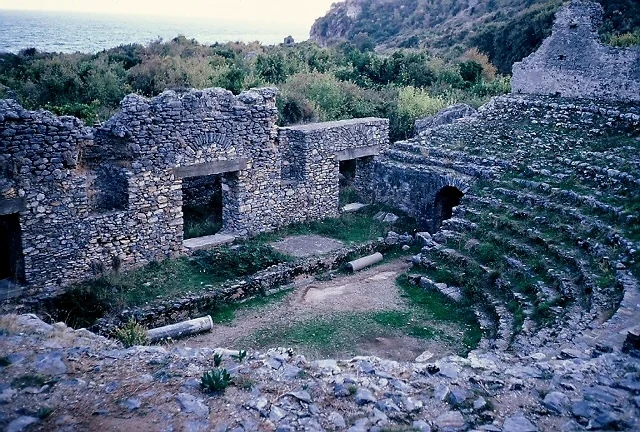
Ruins on the Turkish coast, where I camped. Walls with no roofs, a theater with no audience, the sea behind them. I pitched the tent about where the actors used to stand. Nobody asked for an encore.
-
IV. Turkey to France
Antalya, Turkey
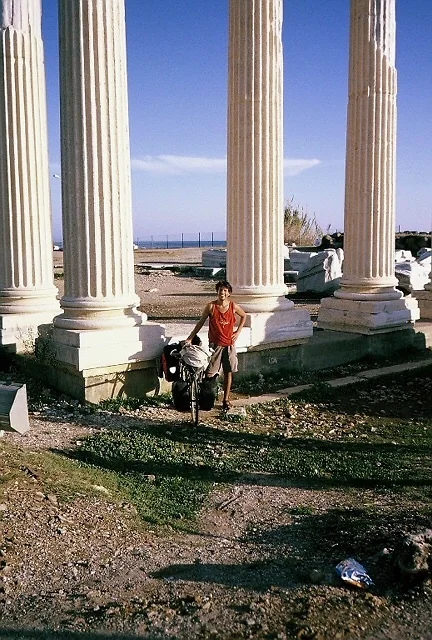
I leaned the bicycle against a temple outside Antalya. The columns had stood since Rome. The god had gone, and the roof with him. What I was carrying seemed heavy to me then.
-
IV. Turkey to France
A Greek harbor
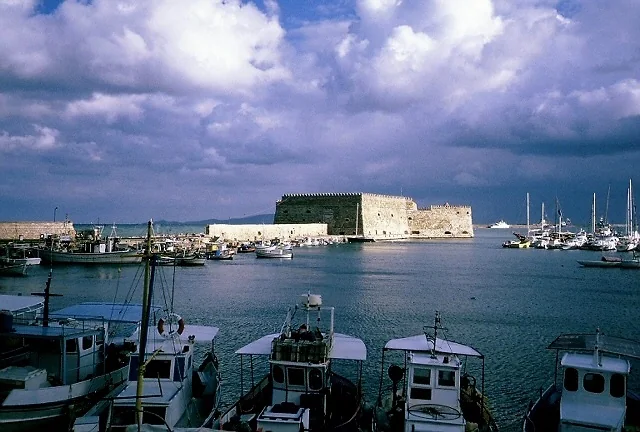
A harbor in the Greek islands, the boats waiting out the winter under a low sky. On Rhodes the white yachts waited too, and in a youth hostel I read Thucydides: the strong do as they can, and the weak suffer as they must. I underlined it, and for a long time I was sure it was about other people.
-
IV. Turkey to France
Potenza, Italy
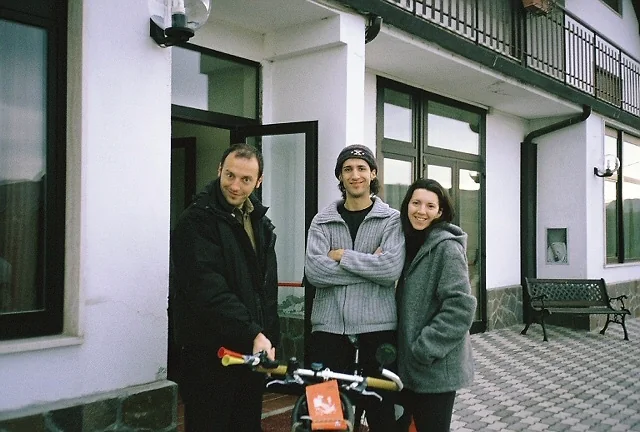
I stopped at the Locanda di Eolo, outside Potenza, to ask about a campground. The Laurenzanas kept me for weeks of winter instead: Salvatore, Stephania, Sandro, Enza. Grappa on the morning of Epiphany, Italian verbs on flashcards, books my grandmother mailed from home. I had left one family to find something on the road, and what I found was another family. I would miss them. No: I would grieve them.
-
IV. Turkey to France
Central Italy
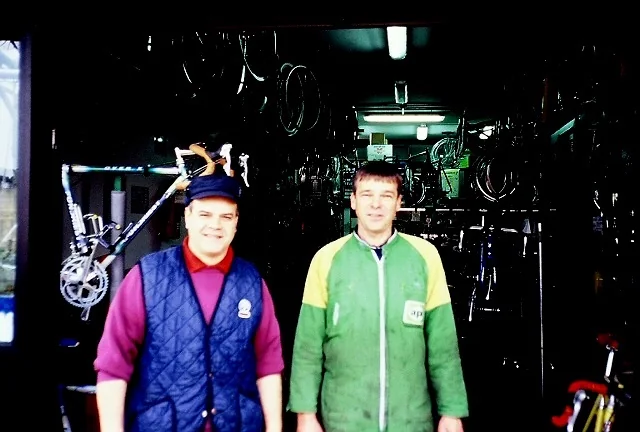
In the middle of Italy the bicycle fell apart, and so did I. I had decided to walk to Rome and fly home. Then a sign for a bicycle shop, and Marzullo, twenty-two years at the trade, hands flying above his head as he talked. He charged me only for parts and sent me off in a pair of blue Lycra MARZULLO team racing pants. It remains my only sponsorship.
-
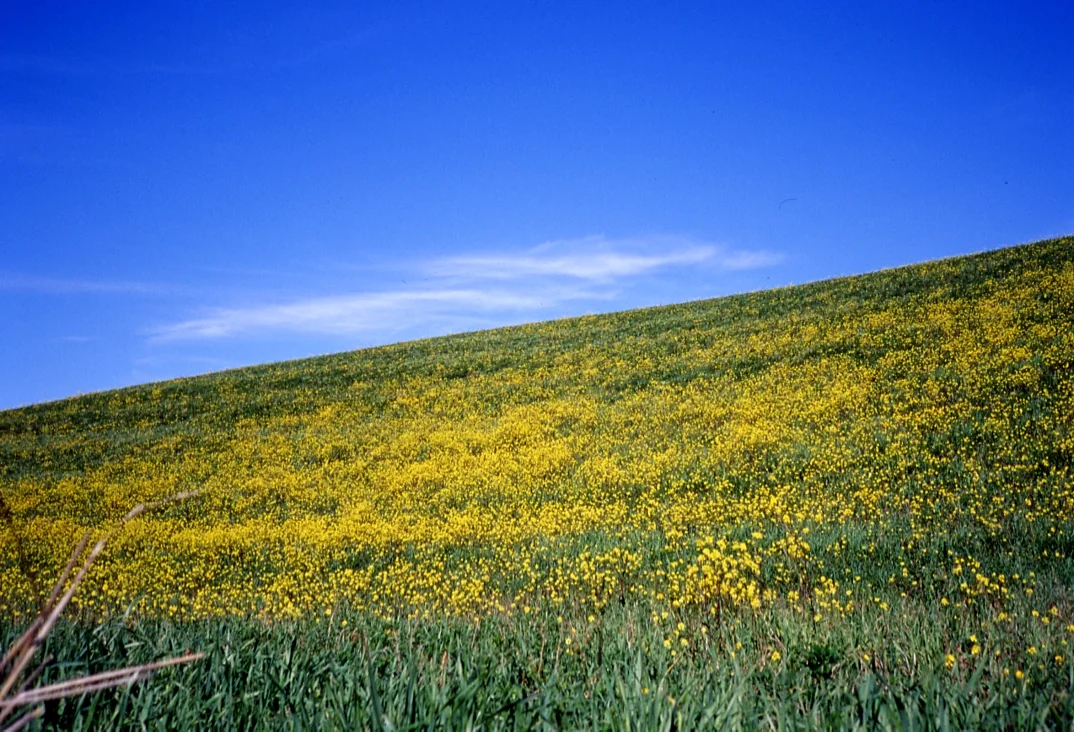
IV. Turkey to France
Northern Italy
A hillside of yellow flowers in northern Italy, indifferent to everything I was carrying. The Alps were ahead.
-
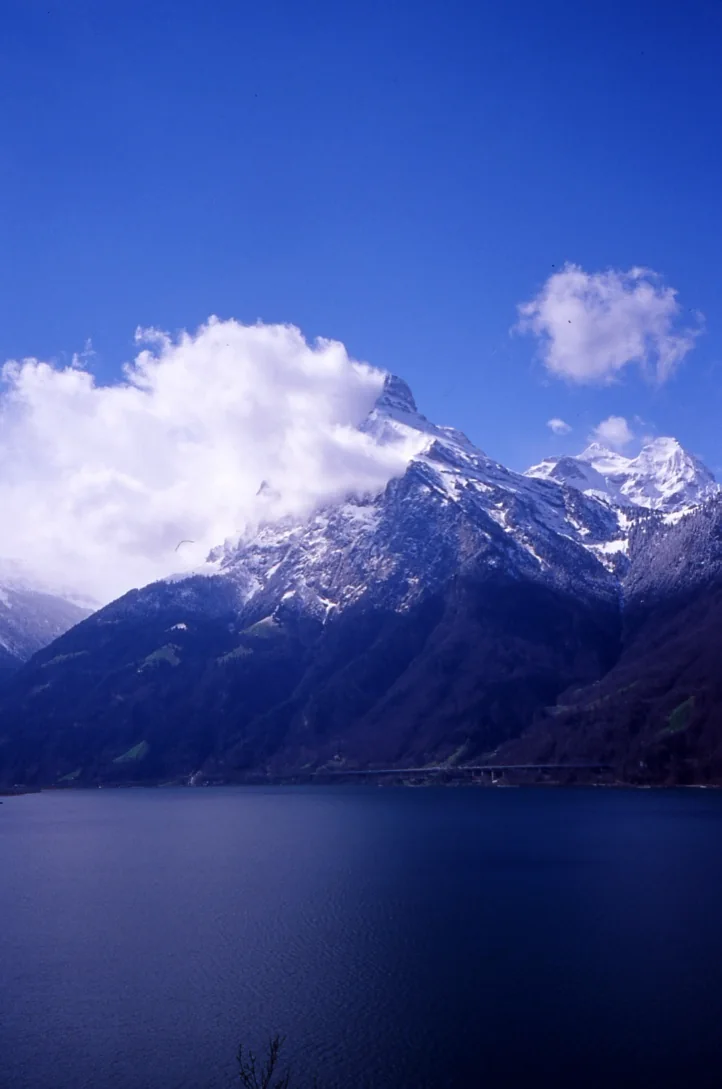
IV. Turkey to France
Switzerland
Over the Alps in a snowstorm. A man who had set out to become a monk found his monastery at last: cold, silence, and a single rule, which was to keep going.
-
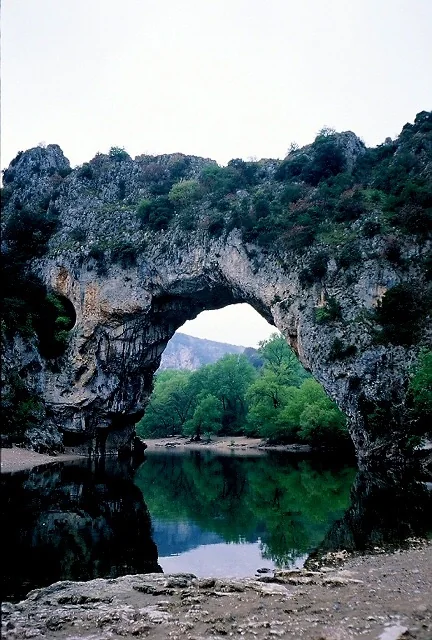
IV. Turkey to France
The Pont d'Arc, France
The Ardèche cut this arch through the limestone some 124,000 years ago. In a cave beside it, people painted lions and horses 36,000 years ago; they had walked here, as their ancestors had walked everywhere. I rode on across France beside my father. For a thousand kilometers the road gave us something we could share, and some days we laughed. It did not last. For a while it was enough.
-
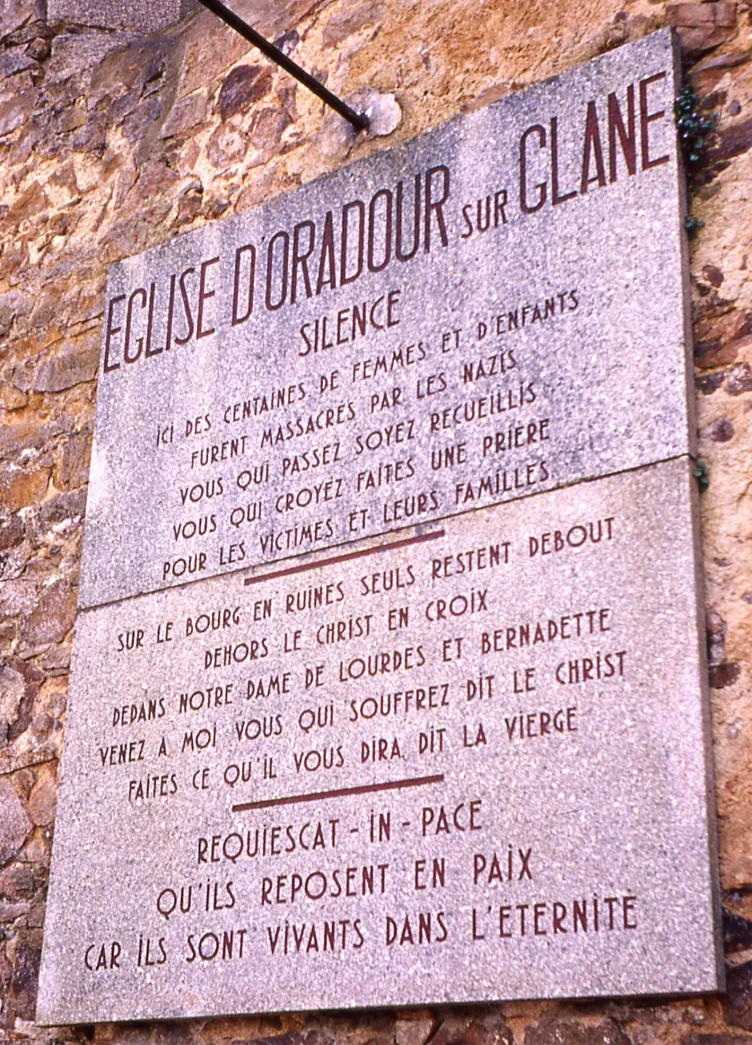
IV. Turkey to France
Oradour-sur-Glane, France
The plaque asks for one thing: silence. On 10 June 1944 an SS company of the Das Reich division killed 642 people here, almost the whole village. They locked 240 women and 205 children in this church and threw in grenades. France kept the ruins as they fell. About a hundred kilometers south, at Lascaux, people painted horses on the walls of a cave some seventeen thousand years ago. We are the primate that did both. At Gombe, Jane Goodall watched one band of chimpanzees destroy another over four years. Civilization is the paint on the cave wall. Underneath, the rock is the same.
-
Panama to California
2001
They fly north to breed and die, on a road no single butterfly finishes.
-
V. Panama to California
The Bridge of the Americas, Panama
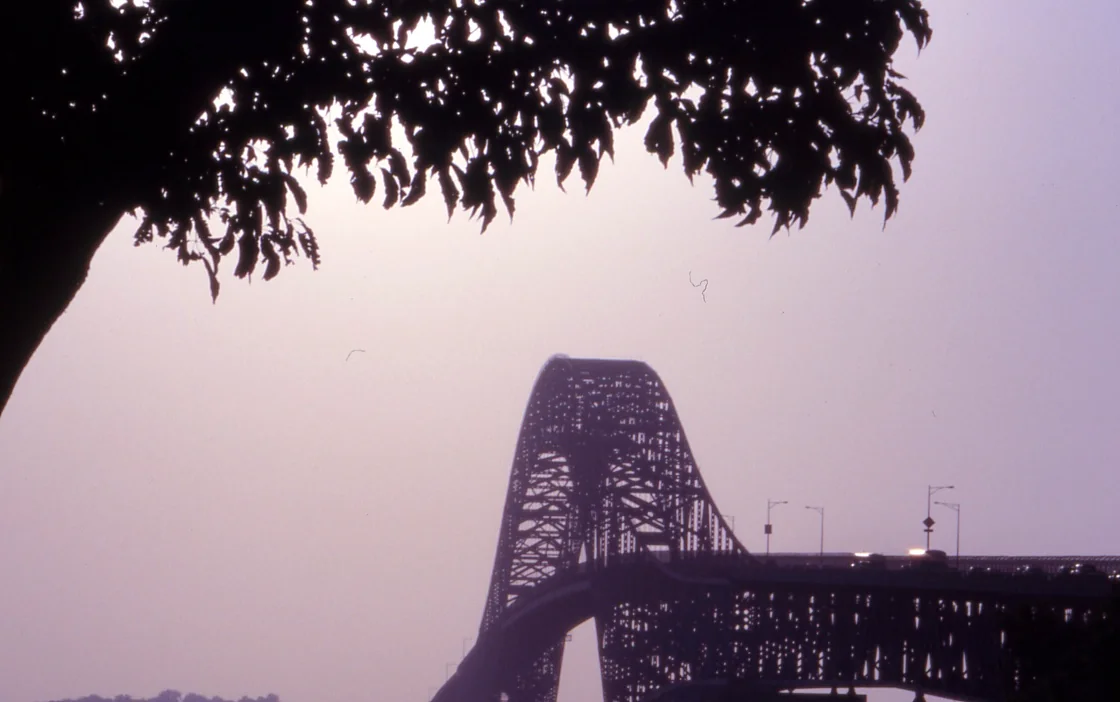
The Bridge of the Americas over the Panama Canal, where the Pan-American Highway crosses from one half of the world to the other. The United States had handed the canal back to Panama at the end of 1999. I started north from here, the direction everyone on this road was going.
-
V. Panama to California
Panama
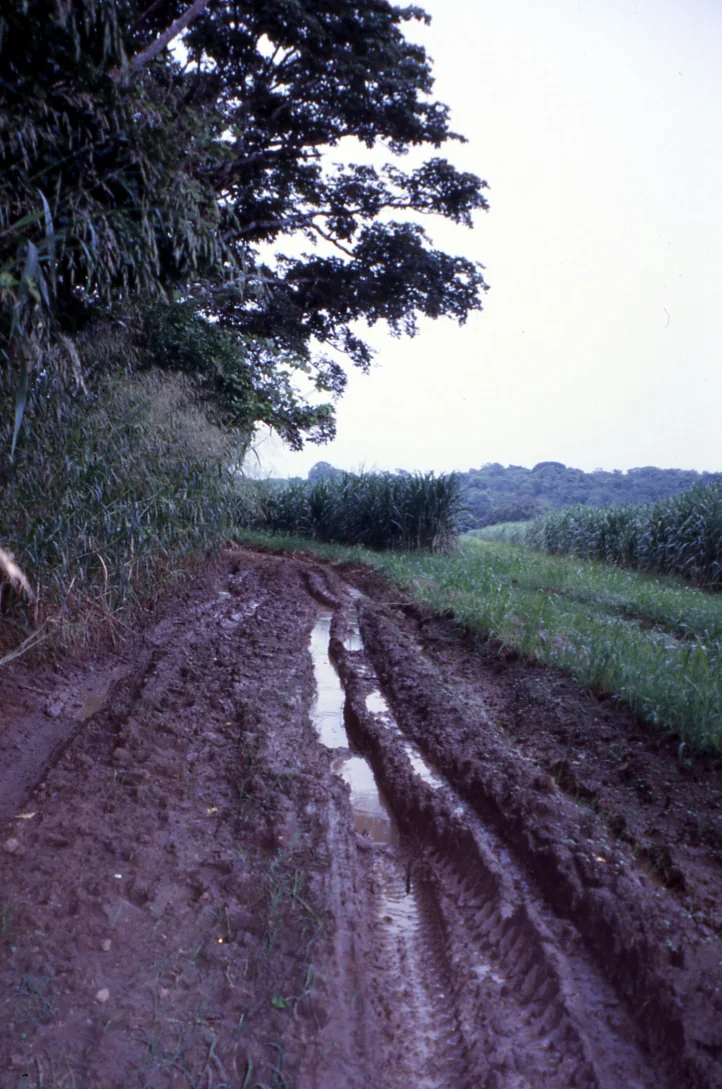
A road in Panama after the rain. I did not always take the easy way. Some days the easy way was not on offer, and some days I refused it out of a pride I could not have explained to anyone, least of all to myself.
-
V. Panama to California
Costa Rica
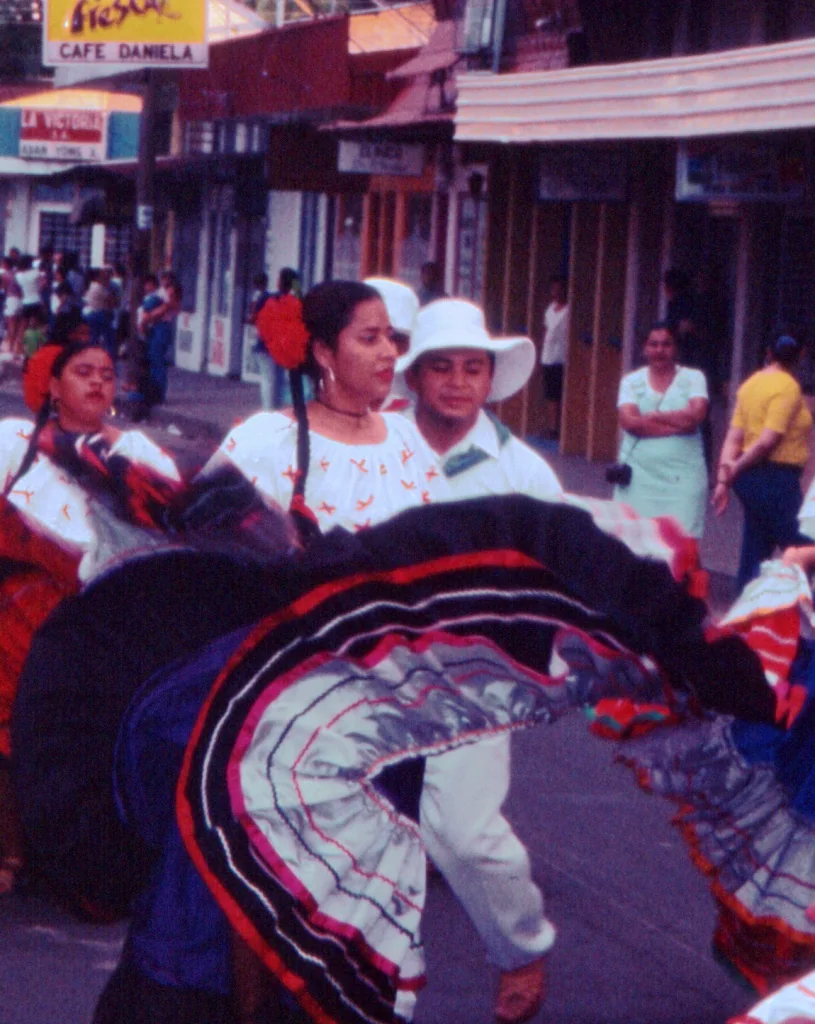
Girls dancing in the street in Costa Rica, skirts wide as wheels. Costa Rica abolished its army in 1948, and the region around it spent the following decades at war. Here they danced.
-
V. Panama to California
The Nicaraguan border
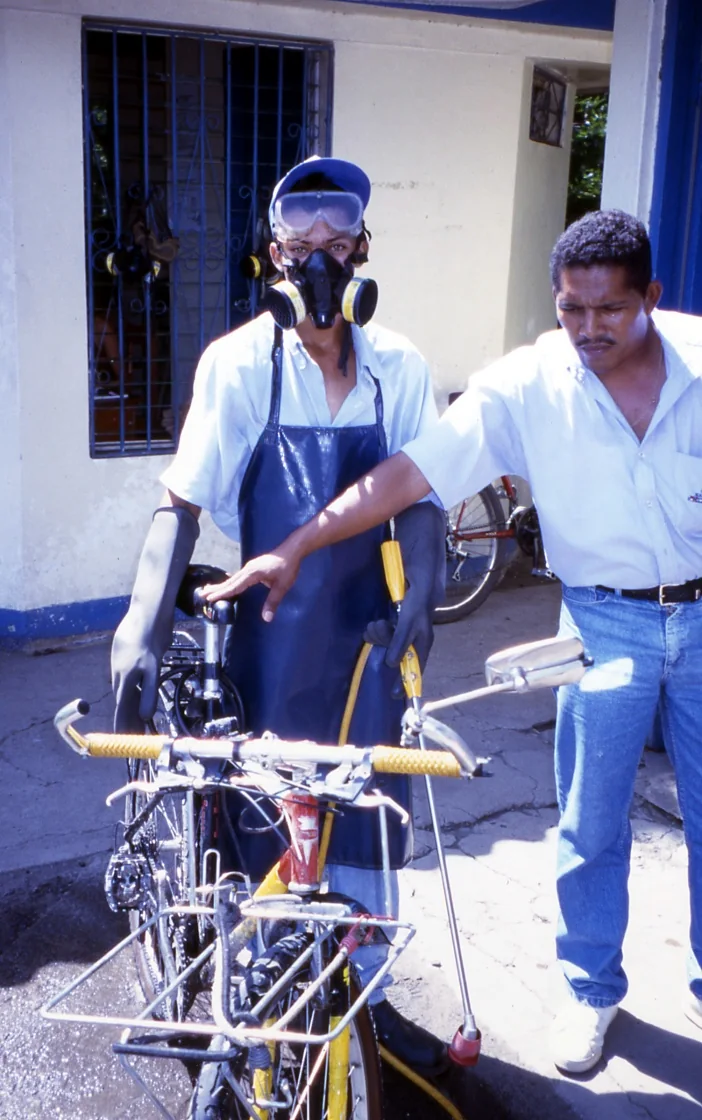
At the Nicaraguan border a man in a gas mask fumigated my bicycle. Not me. The bicycle. Whatever I was bringing into the country, the government had decided it was riding in on the tires. The government was wrong, but it was confident, which is the main thing a government needs to be.
-
V. Panama to California
Granada, Nicaragua
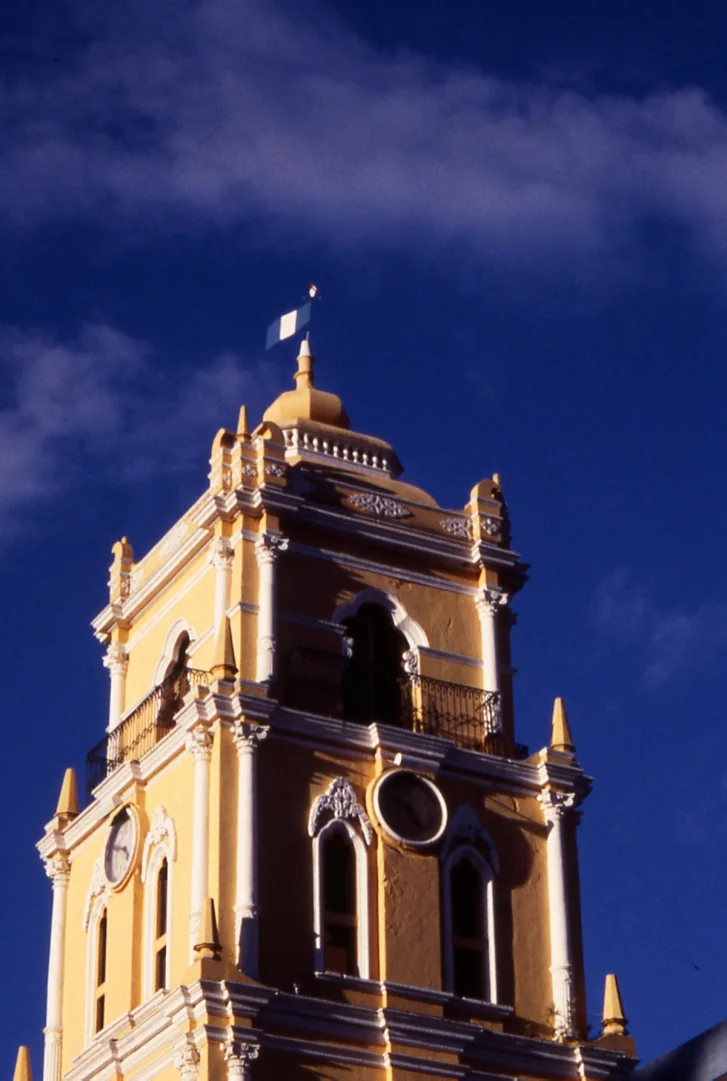
A bell tower in Granada under a hard sky. The Spanish founded the city in 1524. In 1856 one of William Walker's generals, an American filibuster's army in retreat, burned it to the ground and left a sign in the ashes: Here was Granada. North of here, in Honduras, the soldiers gave advice at the roadside: if you are robbed, do not fight. They kill. It was said kindly.
-
V. Panama to California
El Salvador
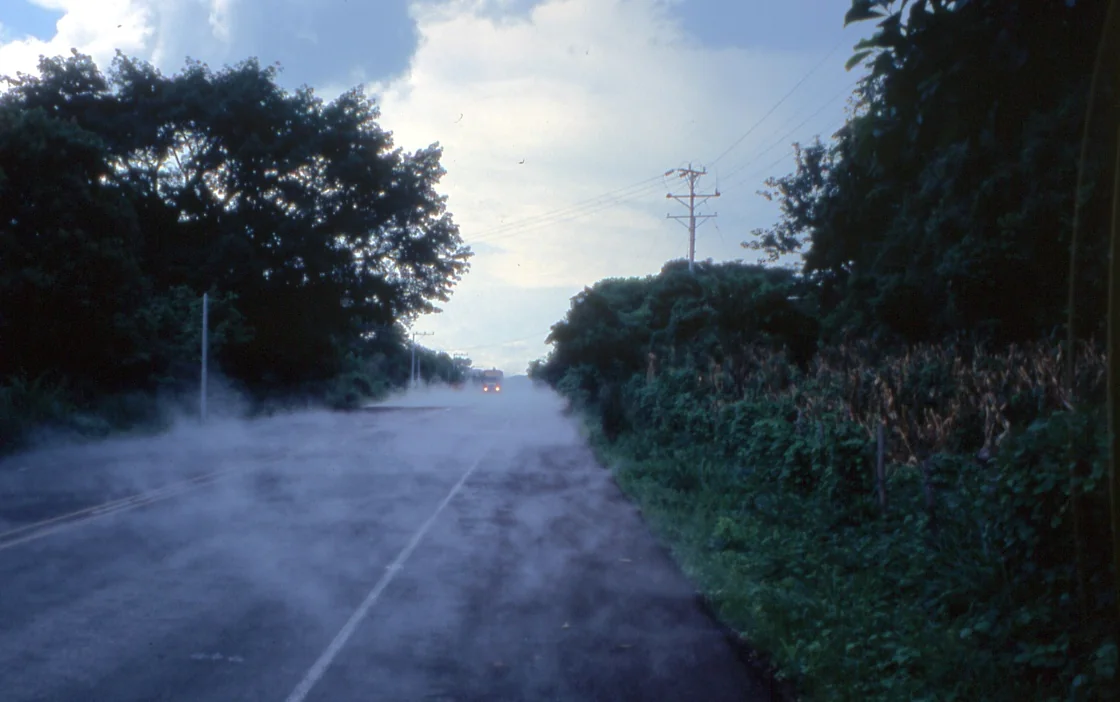
Steam rising off the asphalt in El Salvador, the rain going back up almost as fast as it came down. The heat rode with me all day. I drank water by the gallon, and none of it ever came out the other end; it went straight back into the sky with the rain.
-
V. Panama to California
El Salvador
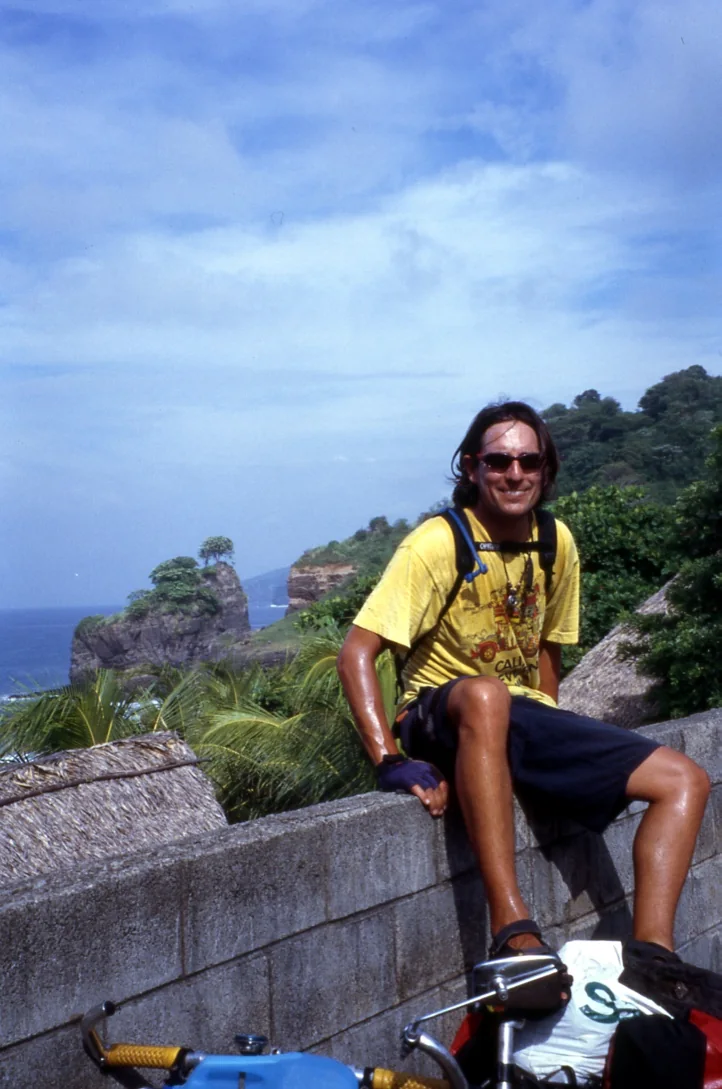
The Pacific coast of El Salvador, nine years after its civil war ended. In high school I was such a pain in the ass they would not let me take third-year Spanish; apparently the language had to be protected from me. By Mexico I spoke it. Nobody at the border asked for my transcript.
-
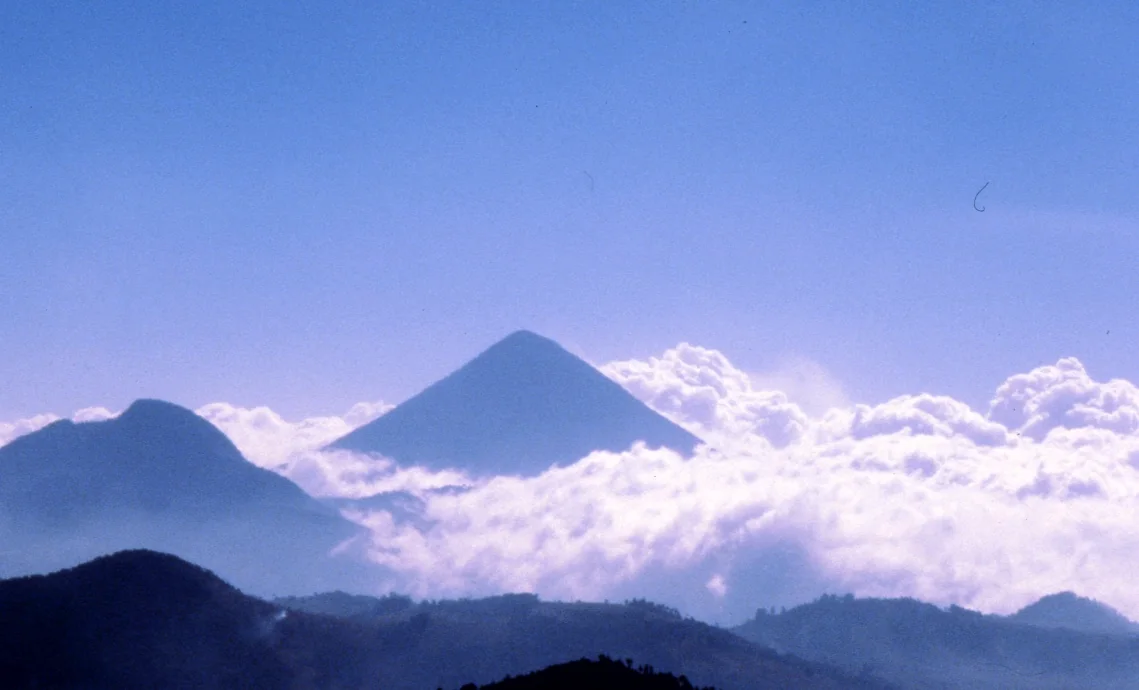
V. Panama to California
Guatemala
A volcano standing out of the cloud. Guatemala's civil war ended in 1996, after thirty-six years and some two hundred thousand dead, most of them Maya.
-
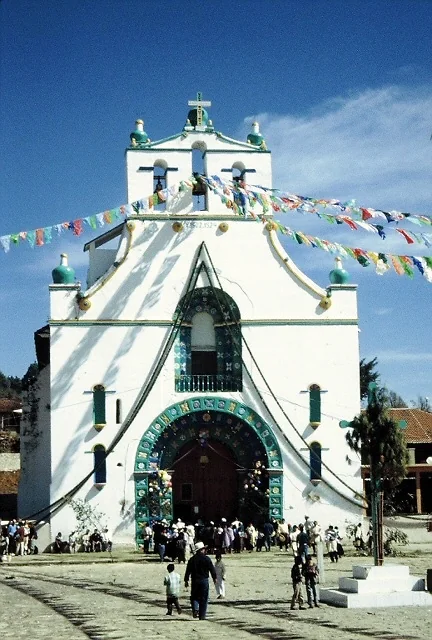
V. Panama to California
San Juan Chamula, Chiapas
At Chamula the Tzotzil Maya pray on a floor of pine needles, among candles, pox and Coca-Cola, and a priest comes only for baptisms. Inside, cameras are forbidden, and some have been smashed. This was taken from the square, where God permits it.
-
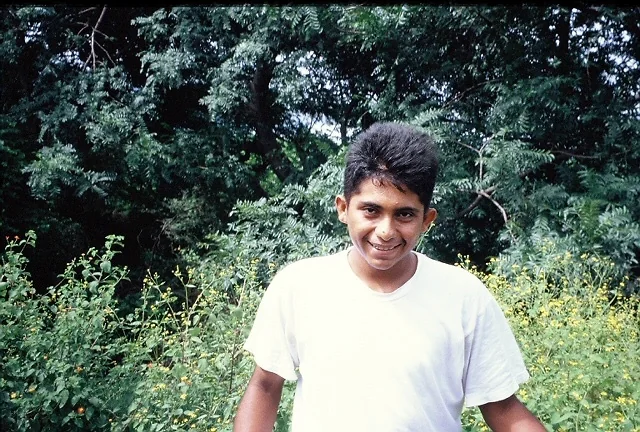
V. Panama to California
Carlos, Chiapas
Carlos, eighteen, from Managua, pushing a rusty bicycle up a grade in Chiapas with a Coke bottle for a canteen. The coyotes wanted five thousand dollars to get him to his cousin in Miami, so he was riding. On a bus, he said, they ask for papers; on a bicycle the police think you are a peasant going from one village to the next. He had done it once already. The federales caught him a few kilometers from the border and sent him back to Managua. For two years I had called my journey a quest.
-
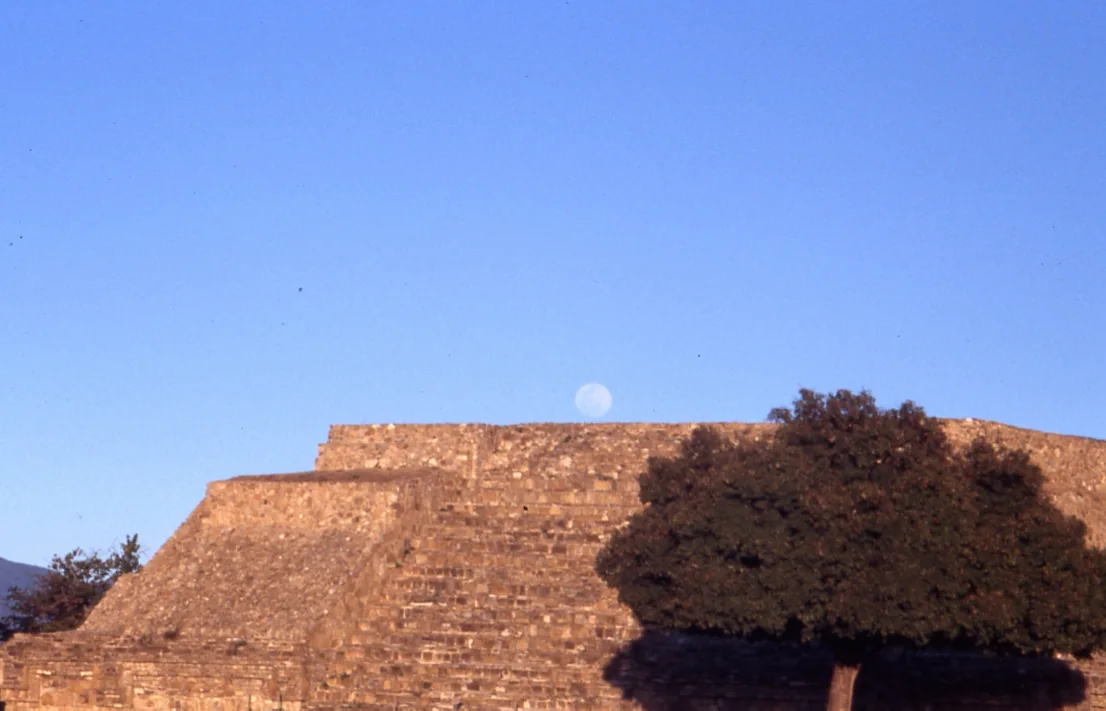
V. Panama to California
Monte Albán, Oaxaca
The Zapotecs leveled a mountaintop for their capital around 500 BC and abandoned it more than a thousand years ago. The gods left. The moon still keeps the appointment.
-
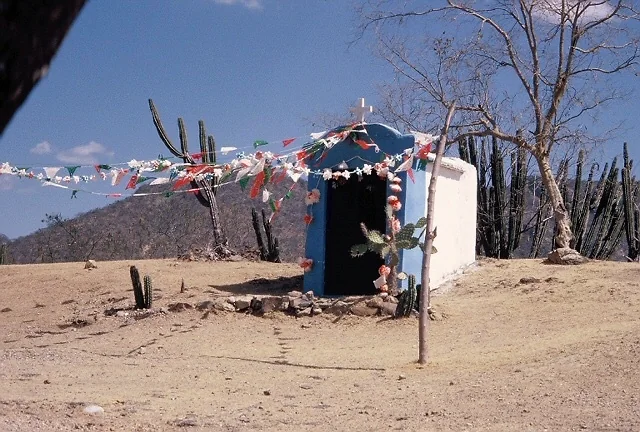
V. Panama to California
Mexico
A roadside chapel in the hills, strung with paper flags, the cactus standing guard. Along Mexico's roads the saints have small houses, and so do the dead, and both are brought flowers.
-
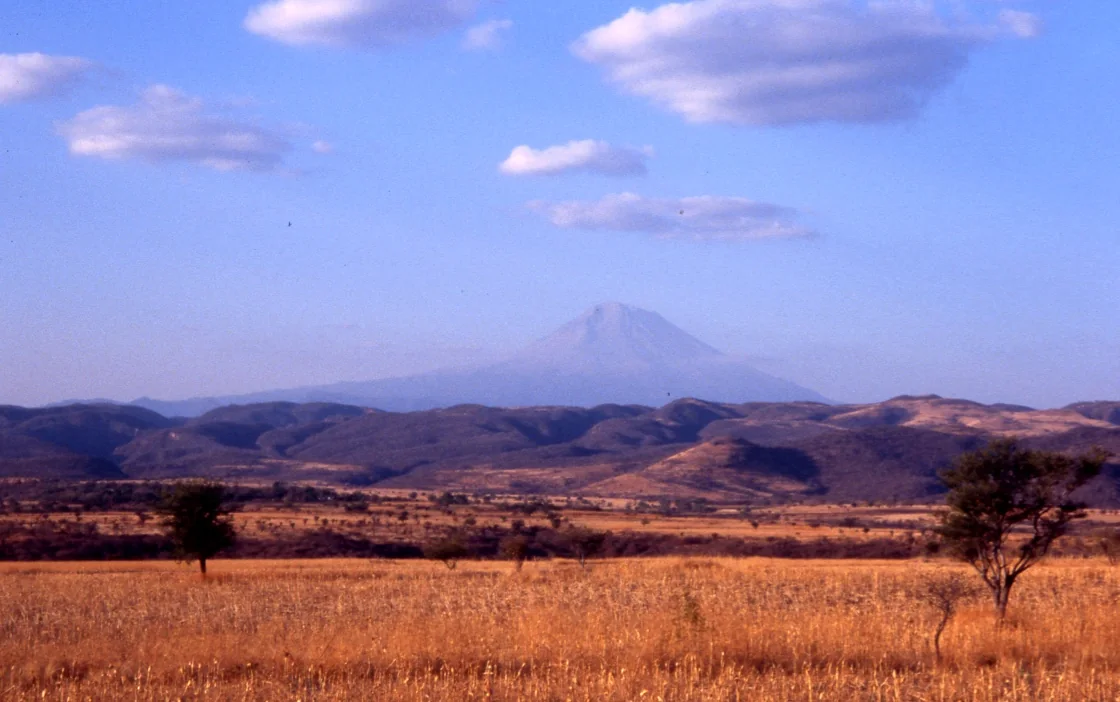
V. Panama to California
Central Mexico
A volcano standing over the dry grass of central Mexico. The Aztecs held that mountains were vessels full of water, the houses of the rain gods. By then I believed in nothing but the next town, and the water bottle.
-
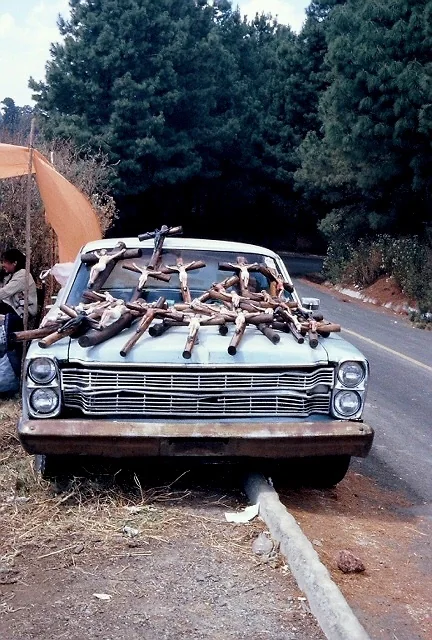
V. Panama to California
The road to Chalma
Crucifixes for sale on the hood of an old car, on the road to Chalma. Pilgrims walk to a cave where the Aztecs prayed to the god of caves; soon after the conquest, the story goes, Christ appeared there in his place. An old man passed me carrying Him in a glass box as long as his back. God is a verb, Buckminster Fuller said. Here He is the walking. Darwin wrote of caged birds that throw themselves at the side of the cage facing their migration until they are bare and bloody. Our ancestors walked for ninety thousand years and settled only eleven thousand years ago. I would like to believe it was only that, a bird against the bars. An instinct would excuse a great deal. But a bird does not keep a journal, or call its restlessness a quest.
-
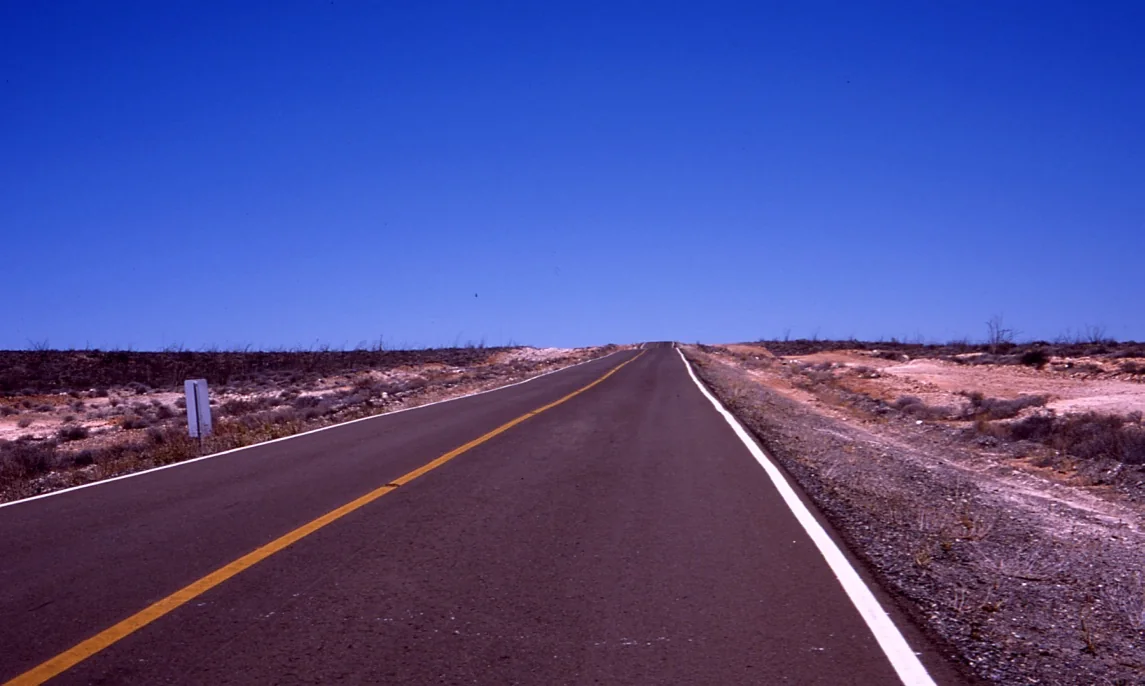
V. Panama to California
The Vizcaíno Desert, Baja California
The road into the Vizcaíno Desert, lined with blown tires and broken glass. Out of the nothing came an engine's roar and a crack: a maroon Ford Aerostar, doing well over a hundred kilometers an hour, took the mirror off my handlebars. A centimeter closer and it would have taken the handlebars, and me with them. It stopped a hundred and fifty meters on, its blue tarp flapping, waited until I was almost there, and drove away. I said a few choice things in Spanish and camped behind a dune. The next morning I passed the same van in a ditch, blue tarp and all.
-
V. Panama to California
Tijuana
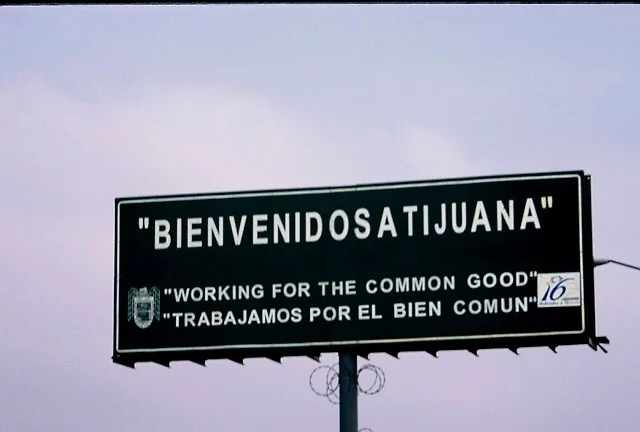
The last sign before the border: working for the common good. A customs officer asked the purpose of my travels. I had no answer he would write down. Where a border would not open, I had bought a ticket over it. Carlos could not. It took years to see that the ticket was part of the story.